Evaluating Bellova Sweety for Creative Projects
Selecting the right typeface is a critical step in visual communication, influencing how an audience perceives a message before they even read the text. For designers, crafters, and content creators working on projects that require a sense of warmth, playfulness, or approachability, the choice of font can make or break the aesthetic. One typeface that has garnered attention in this specific niche is Bellova Sweety. Characterized by its childish yet polished appearance, this display font offers a unique blend of whimsy and readability. This evaluation explores the characteristics, applications, and practical considerations of using Bellova Sweety to help you determine if it aligns with your design goals.
Understanding the Design Identity of Bellova Sweety
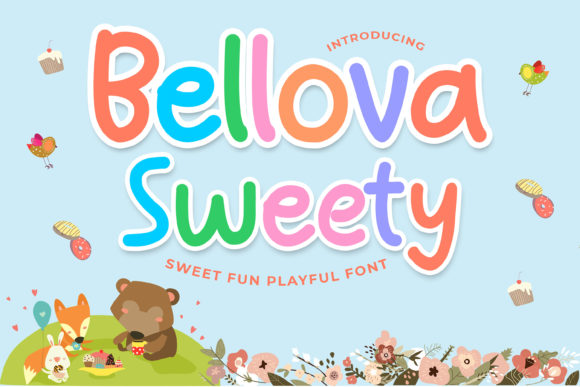
To evaluate whether a font fits your project, one must first understand its inherent personality. Bellova Sweety is classified as a display font, meaning it is designed primarily for large sizes rather than body text. Its defining characteristic is its "childish" style, which does not imply immaturity but rather a sense of innocence, joy, and unpretentious friendliness. The letterforms are rounded, soft, and inviting, conveying impeccable friendliness through their structure.
The font’s name itself suggests a sweet, gentle tone. Unlike harsh geometric sans-serifs or rigid serif fonts, Bellova Sweety avoids sharp angles and aggressive contrasts. Instead, it relies on smooth curves and a consistent stroke weight that feels safe and welcoming. This makes it particularly effective in contexts where the goal is to lower barriers between the brand or creator and the viewer. It communicates approachability instantly, making it a strong candidate for industries focused on care, creativity, and personal connection.
Primary Use Cases and Applications
Given its distinct aesthetic, Bellova Sweety is not a universal solution for all design needs. However, it excels in specific scenarios where emotional resonance is key. Below are the primary areas where this font demonstrates its value.
- Craft and DIY Projects: For scrapbooking, handmade cards, and party decorations, Bellova Sweety provides a hand-drawn feel without the inconsistency of actual handwriting. It adds a personal touch that feels curated rather than accidental.
- Digital Design for Niche Audiences: Websites or social media graphics targeting children, parents, educators, or hobbyists often benefit from this font. It stands out in crowded feeds by offering a softer visual alternative to standard corporate typography.
- Greeting Cards and Invitations: Whether for birthdays, baby showers, or casual gatherings, the font’s sweetness enhances the celebratory nature of the occasion. It sets a tone of affection and warmth immediately.
- Presentations and Educational Materials: In classroom settings or informal presentations, Bellova Sweety can make slides more engaging. It reduces the formality of the content, helping to keep the audience relaxed and attentive.
Benefits of Choosing Bellova Sweety
When evaluating Bellova Sweety, several advantages stand out for designers seeking a specific mood.
Immediate Emotional Connection: The most significant benefit is its ability to convey friendliness effortlessly. You do not need additional graphic elements to soften the message; the font itself does the heavy lifting. This efficiency is valuable in fast-paced design workflows.
Versatility Within Its Niche: While it is a display font, its simplicity allows it to pair well with various other typefaces. It works effectively alongside clean sans-serifs for subheadings or labels, creating a balanced hierarchy where Bellova Sweety acts as the focal point.
High Readability at Display Sizes: Despite its playful appearance, the letters are constructed clearly. This ensures that even with its stylized forms, the text remains legible when printed on signs, banners, or screens. It avoids the trap of being so decorative that it becomes unreadable.
Tradeoffs and Limitations
No single typeface is suitable for every context. Understanding the limitations of Bellova Sweety is crucial for avoiding misapplication.
Limited Scalability: As a display font, Bellova Sweety is not intended for long paragraphs of body text. Using it for extended reading material can cause eye strain and reduce comprehension. Readers may find the repetitive roundness fatiguing over time. It should be reserved for headlines, titles, and short phrases.
Contextual Mismatch: The font’s childish and sweet nature may undermine credibility in professional or serious contexts. Using Bellova Sweety for legal documents, financial reports, or corporate branding could send mixed signals, suggesting a lack of seriousness or professionalism. It is essential to match the font’s personality with the brand’s voice.
Overuse Risks: Because the font is visually distinctive, overusing it can lead to a cluttered or overwhelming design. It works best when used sparingly as an accent. If every element on a page uses this font, the design loses contrast and impact.
Considerations for Decision Making
Before integrating Bellova Sweety into a project, consider the following factors to ensure it aligns with your objectives.
- Audience Expectations: Who will be viewing the design? If the audience consists of young children, parents, or creative professionals, the font is likely a strong fit. For a general adult audience or a corporate demographic, it may seem too informal.
- Brand Voice Consistency: Does the font reflect your overall brand identity? If your brand values innovation, precision, or luxury, Bellova Sweety may conflict with those attributes. It is best suited for brands that prioritize warmth, community, and fun.
- Pairing Potential: Plan how this font will interact with others. Test combinations with neutral, understated fonts to ensure that Bellova Sweety remains the star without dominating the entire layout.
When to Consider Alternatives
While Bellova Sweety is a strong choice for friendly, playful designs, there are situations where alternatives may be more appropriate.
If you require a font that conveys trust and stability, such as for banking or healthcare, a traditional serif or a clean geometric sans-serif would be more effective. Similarly, if the project requires high-density information delivery, a highly readable body font like Roboto, Open Sans, or Merriweather would serve the user better.
For a more modern, edgy take on playfulness, you might explore brush scripts or variable fonts that offer dynamic weight changes. These options provide flexibility that a static display font like Bellova Sweety cannot match. Additionally, if budget is a constraint, ensure you verify the licensing terms. Some display fonts come with higher costs or restrictive usage rights, so comparing commercial licenses against open-source alternatives is a prudent step.
Conclusion
Bellova Sweety is a specialized tool in the designer’s arsenal. It is not a replacement for standard body fonts, nor is it a universal solution for all creative endeavors. However, for projects that demand a clear expression of friendliness, childhood wonder, and approachable charm, it is an excellent choice. By understanding its strengths in display contexts and respecting its limitations regarding readability and tone, you can leverage Bellova Sweety to create designs that resonate emotionally with your audience. Evaluate your specific needs, consider your target demographic, and use this font strategically to enhance, rather than distract from, your message.