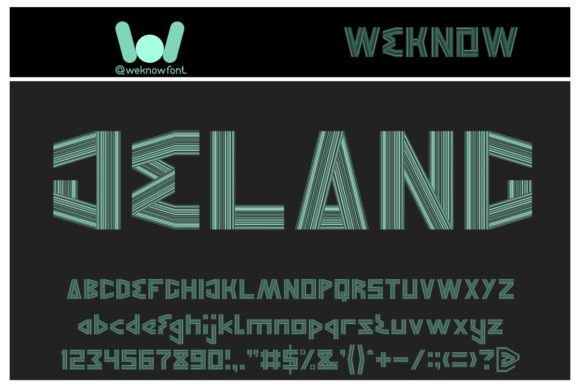
Jelang: Elevating Your Design With a Bold, Unique Display Font
When you are working on a high-stakes project—whether it is a brand identity for a startup, a promotional poster for a local event, or the header of a landing page—the right typography can make the difference between a design that feels generic and one that demands attention. This is where Jelang enters the conversation. It is not just another typeface; it is a distinctive display font designed to bring energy, character, and a bold touch to any visual communication.
Many designers and business owners overlook the power of a single, well-chosen font pair. They default to safe, standard sans-serifs because they are easy to read. While readability is crucial, it should not come at the cost of personality. Jelang offers a solution for those who want their text to have presence. However, using a display font like Jelang requires more than just dragging it into your design software. There are specific nuances regarding application, pairing, and context that can determine whether your project looks professional or chaotic.
Understanding the Appeal of Jelang
Jelang is categorized as a display font, which means its primary strength lies in large sizes rather than body text. Its unique structure allows it to stand out in web designs, business cards, and headers where impact is key. For entrepreneurs and marketers, this means you can communicate your brand’s voice instantly through typography alone. If your brand is energetic, modern, or unconventional, Jelang aligns with those values without needing additional graphics or color tricks.
The font’s bold nature makes it ideal for headlines. Imagine a business card for a creative agency. A standard font might blend into the pile of cards a recipient receives. Jelang, with its distinct shape and weight, catches the eye immediately. Similarly, in web design, using Jelang for hero section titles can significantly improve engagement by creating a strong visual hierarchy. It signals to the user that this content is important and carefully crafted.
Common Pitfalls When Using Display Fonts
Despite its advantages, Jelang is often misused. The most frequent mistake is overuse. Because Jelang is so striking, there is a temptation to use it everywhere. You might be tempted to set your navigation menu, your subheadings, and even your paragraph text in Jelang. This is a critical error. Display fonts are designed to be read at a glance, not to sustain long-form reading. Using Jelang for body text will fatigue your audience’s eyes and reduce the accessibility of your content.
Another common misunderstanding involves scalability. Some users download Jelang and apply it to small logos or icons, expecting the same level of detail to hold up. However, complex display fonts can lose their character when scaled down too far. The unique curves and bold strokes may merge together, resulting in a muddy, illegible blob. Always test your chosen font at the actual size it will appear in the final product.
Furthermore, many beginners fail to consider contrast. A bold font like Jelang needs space to breathe. If you place it against a busy background or crowd it with other heavy elements, the design loses its punch. The effectiveness of Jelang relies heavily on negative space. Without adequate padding and margin around the text, the boldness becomes cluttered rather than commanding.
The Importance of Pairing
To maximize the potential of Jelang, you must pair it correctly. A good rule of thumb is to balance a strong display font with a neutral, highly readable body font. If your headline screams with Jelang, your supporting text should whisper. Simple sans-serif or clean serif fonts work best here. They provide a calm backdrop that allows Jelang to shine without competing for attention.
For example, if you are designing a website for a coffee shop, you might use Jelang for the main title "Morning Brew" and pair it with a light, minimal sans-serif for the description of your beans. This combination creates a sophisticated yet approachable feel. Conversely, pairing Jelang with another ornate or heavy font creates visual noise and confuses the reader about what information is most important.
Evaluating Jelang for Your Specific Needs
Before committing to Jelang for a major project, take time to evaluate how it fits your specific goals. Ask yourself if the tone of the font matches your brand personality. Jelang is fun and bold, but it may not be suitable for a law firm or a medical clinic where trust and stability are paramount. In those industries, a more traditional serif or a neutral sans-serif would convey professionalism more effectively.
Consider the medium as well. How will Jelang look on mobile devices? Display fonts often rely on intricate details that might get lost on smaller screens. Test the font on various devices to ensure it remains legible and impactful. If the text becomes unreadable on a smartphone, you may need to adjust the size or switch to a simpler alternative for responsive designs.
Additionally, check the licensing terms before purchasing or downloading Jelang. Ensure that the license covers your intended use, whether it is for digital web design, print materials, or commercial merchandise. Overlooking these details can lead to legal issues and unexpected costs later on.
Practical Tips for Implementation
- Limit Usage: Use Jelang only for headlines, titles, or short phrases. Never use it for paragraphs or long blocks of text.
- Create Contrast: Pair Jelang with simple, lightweight fonts to maintain readability and visual balance.
- Test Scalability: Preview the font at different sizes to ensure it retains its character and legibility.
- Use Negative Space: Give Jelang room to breathe. Avoid crowding it with other elements.
- Match Tone: Ensure the bold, fun nature of Jelang aligns with your brand’s voice and target audience.
Conclusion
Jelang is a powerful tool in the designer’s arsenal, capable of adding a unique, bold touch to almost any project. By understanding its strengths and avoiding common mistakes like overuse and poor pairing, you can leverage its full potential. Whether you are creating a business card, a website header, or a social media graphic, Jelang can help your design stand out in a crowded digital landscape. Remember, the goal is not just to be seen, but to be understood and remembered. With careful application, Jelang helps you achieve exactly that.