Mumle: Why This Trendy Display Font Is a Game-Changer for Modern Branding
In the fast-paced world of visual communication, first impressions are everything. Whether you are designing a logo for a new coffee shop, creating social media graphics for an e-commerce brand, or putting together a presentation for a client pitch, the typography you choose speaks volumes before a single word is read. Among the growing array of typefaces available to designers and creators, Mumle has emerged as a standout choice for those seeking a trendy and stylish display font. But what exactly makes it so effective, and how can you ensure you are using it correctly to maximize its impact?
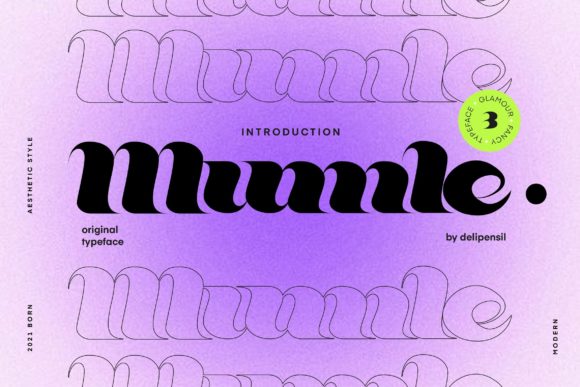
Mumle is not just another decorative typeface; it is a versatile tool designed to capture attention while maintaining readability in specific contexts. Its sleek lines and modern aesthetic make it incredibly well-suited for labels, branding materials, and various other design projects that require a touch of contemporary flair. However, like any powerful design element, understanding its strengths and limitations is crucial. Many creators rush into using bold fonts without considering the broader design ecosystem, leading to cluttered visuals or messages that get lost in the noise. Let’s explore how to leverage Mumle effectively while avoiding common pitfalls.
Understanding the Appeal of Mumle
The primary reason designers gravitate toward Mumle is its ability to convey personality instantly. In a market saturated with generic sans-serifs and traditional serifs, a distinctive display font can serve as a visual anchor. Mumle’s style bridges the gap between playful and professional, making it adaptable for a wide range of audiences. For small business owners and entrepreneurs, this versatility is invaluable. It allows a startup to appear established and polished without sacrificing approachability.
Furthermore, Mumle works exceptionally well on labels. Imagine a boutique skincare line or an artisanal food product. The clean, stylish curves of the font can elevate packaging from ordinary to premium. When used correctly, the font adds a layer of sophistication that encourages consumers to pick up the product. For marketers and bloggers, this translates to higher engagement rates, as visually appealing content is more likely to be shared and remembered.
Common Misconceptions About Display Fonts
One of the most frequent mistakes creators make is assuming that a "trendy" font should be used for body text. While Mumle is undeniably stylish, it is classified as a display font. This means it is intended for headlines, titles, logos, and short phrases where impact is prioritized over long-form readability. Using Mumle for paragraphs of text can overwhelm the reader, causing eye strain and reducing comprehension. If you are designing a website or a brochure, remember that clarity and hierarchy are key. Use Mumle to grab attention at the top, but pair it with a neutral, highly readable sans-serif or serif font for the main content.
Another misunderstanding involves the scale of application. Some designers feel compelled to use large, bold versions of the font everywhere to ensure visibility. However, less is often more. Overusing a strong typographic voice can dilute its effect. Instead, consider using Mumle sparingly to highlight key selling points or brand names. This strategic restraint ensures that when the audience does encounter the font, they pay attention.
Practical Applications and Best Practices
To get the most out of Mumle, it is essential to apply it with intention. Here are some practical approaches to integrating this font into your designs:
- Label Design: As mentioned, Mumle shines on product labels. Ensure there is sufficient contrast between the font color and the background. A dark grey or black Mumle on a white or pastel background creates a clean, modern look. Avoid placing it on busy patterns or images, as the intricate details of the font may become obscured.
- Branding Identity: For logos and brand guidelines, consistency is paramount. If you choose Mumle for your logo, define clear rules for its usage. Will it always be capitalized? Should it have specific kerning adjustments? Establishing these standards helps maintain a cohesive brand image across all platforms, from business cards to social media avatars.
- Social Media Graphics: In the age of scrolling, your graphics need to stop the thumb. Use Mumle for short, punchy quotes or event announcements. Pair it with minimalist backgrounds to let the typography breathe. This approach not only looks aesthetically pleasing but also enhances message retention.
Technical Considerations Before You Download
Before incorporating Mumle into your projects, there are several technical aspects to verify. First, check the licensing terms. Fonts are intellectual property, and using them without the proper license can lead to legal issues. Whether you are buying a commercial license or downloading a free version, ensure you understand the scope of allowed usage. Can you use it for print? For web? For merchandise? Clarifying this upfront protects your business and respects the designer’s work.
Next, evaluate the file formats and weight options. A robust font family offers multiple weights (light, regular, bold) and styles (italic, condensed). This variety provides flexibility in your design workflow. If Mumle only comes in one style, you might find yourself limited in creating visual hierarchy. Additionally, ensure the font supports the character sets you need, especially if your target audience includes non-English speakers. Missing accented characters can ruin the professionalism of your design.
Evaluating Fit for Your Project
Not every project requires a trendy display font. For corporate reports, academic papers, or technical manuals, readability and neutrality should take precedence. Mumle is best suited for creative industries, lifestyle brands, fashion, beauty, and hospitality sectors where aesthetics play a significant role in consumer perception. Ask yourself: Does my brand voice align with the personality of the font? If your brand is serious, data-driven, and conservative, Mumle might clash with your identity. However, if you aim to project innovation, creativity, and modernity, it could be the perfect match.
It is also wise to test the font in context. Don’t just view it in isolation on a blank canvas. Mock it up in its intended environment. How does it look on a mobile screen? On a printed flyer? Under different lighting conditions? These real-world tests can reveal issues that are not apparent during the design phase. For instance, a font that looks sharp on a high-resolution monitor might lose detail when printed on textured paper.
Conclusion: Elevate Your Designs with Confidence
Mumle offers endless possibilities for creators looking to add a touch of trendiness and style to their work. By understanding its role as a display font, respecting licensing agreements, and applying it strategically, you can enhance your branding and communications significantly. Avoid the trap of overuse and prioritize clarity alongside aesthetics. When you approach typography with knowledge and intention, you create designs that not only look good but also communicate effectively. Explore Mumle’s capabilities, experiment with its forms, and discover how it can transform your next project from ordinary to exceptional.