Zendo: The Adaptable Display Font for Modern Branding
In a digital landscape saturated with generic templates and predictable layouts, finding a typeface that commands attention without shouting is a rare find. Zendo emerges as a sophisticated solution for designers, entrepreneurs, and content creators who need a visual voice that is both cool and adaptable. It is not merely a collection of glyphs; it is a strategic design asset capable of elevating everything from social media graphics to high-end editorial spreads.
Unlike many display fonts that rely on novelty or excessive decoration, Zendo strikes a balance between structural integrity and stylistic flair. Its clean lines and thoughtful spacing make it an excellent choice for projects requiring immediate impact but sustained readability. Whether you are crafting a brand identity for a tech startup or designing packaging for an artisanal product, adding Zendo confidently to your toolkit ensures results that feel intentional and polished. The only limit is your imagination, but the foundation is solid.
Understanding the Visual Personality of Zendo
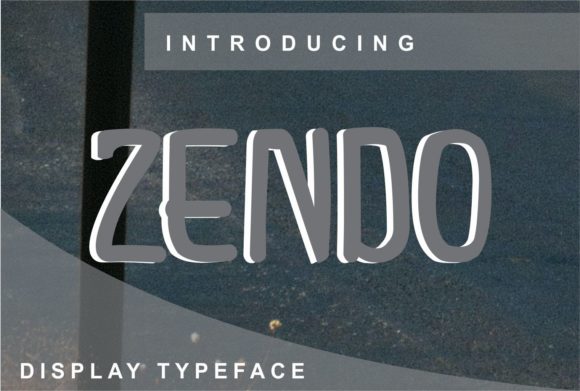
To understand why Zendo works, you must first look at what it is. Visually, it operates in the realm of a modern display font, characterized by its geometric precision mixed with subtle humanist touches. It avoids the coldness often associated with pure sans serif fonts while steering clear of the ornate complexity found in traditional serif or script fonts. Instead, Zendo offers a neutral yet distinct personality that can be molded to fit various contexts.
The character shapes are open and inviting, with consistent stroke weights that provide a sense of stability. This makes it highly effective for headlines where legibility is paramount, even at smaller sizes. The terminal ends are often cut at sharp angles or rounded gently, depending on the specific weight, giving the text a contemporary edge. This adaptability means it does not fight against other design elements; rather, it supports them.
- Modern Typography: Zendo fits seamlessly into current design trends that favor minimalism and clarity.
- Versatile Weight Range: From light accents to bold statements, the range allows for dynamic hierarchy.
- Clean Aesthetics: The lack of unnecessary serifs or flourishes keeps the focus on the message.
This visual neutrality is actually its greatest strength. Because Zendo does not impose a heavy narrative on its own, it allows the content—whether it is a product name, a blog title, or a campaign slogan—to take center stage. It acts as a frame that enhances the painting rather than distracting from it.
Strategic Applications Across Creative Industries
The true value of a premium font like Zendo is revealed in its application. Designers often struggle to find a single typeface that can bridge the gap between digital screens and print materials. Zendo excels in this hybrid environment, offering consistency across platforms.
Branding and Logo Design
For small business owners and brand strategists, logo design requires a typeface that scales well. Zendo’s robust structure ensures that it remains readable whether embossed on a business card or displayed on a massive billboard. Its modern typography style helps brands appear forward-thinking and professional. When paired with a minimalist icon, Zendo can create a memorable brand identity that feels established yet fresh.
Editorial and Publishing
In the world of publishing, editorial design demands a font that can handle long-form content without causing eye strain, or conversely, grab attention in magazine headers. While Zendo is primarily a display font, its lighter weights can serve effectively as subheads or pull quotes. It brings a level of sophistication to articles that elevates the perceived value of the content. For bloggers and publishers looking to stand out in a crowded feed, using Zendo for featured titles adds a touch of editorial authority.
Packaging Design
Packaging is a silent salesman. On a shelf crowded with competitors, a package needs to communicate quality instantly. Zendo’s clean lines convey reliability and modernity, making it ideal for consumer goods, cosmetics, or food products. The font’s ability to hold its shape under different lighting conditions and textures makes it a reliable partner for packaging designers aiming for a premium look.
Digital and Social Media Graphics
Social media algorithms favor engagement, and visual appeal drives clicks. Zendo is perfectly suited for creating social media graphics that need to be read quickly on mobile devices. Its clear letterforms ensure that key messages are understood within seconds. Marketers can use bold weights for call-to-action buttons or headlines, leveraging the font’s inherent energy to drive user interaction.
Maximizing Impact Through Practical Design Choices
Using Zendo effectively goes beyond simply dropping text onto a canvas. It requires an understanding of how type influences perception, hierarchy, and overall aesthetic cohesion. Here is how to get the most out of this creative font in your projects.
Evaluating Project Fit and Readability
Before committing to Zendo, assess the context. Is the project primarily informational or inspirational? If it is purely informational, such as a terms of service page, a more neutral body text font might be better. However, for any element intended to capture attention—headers, banners, posters—Zendo shines. Always test readability at the actual size it will be used. A display font may look stunning at 72pt but become illegible at 12pt. Use Zendo where size and impact are prioritized over dense text density.
The Art of Font Pairing
One of the most common questions designers face is font pairing. Since Zendo is a distinctive display typeface, it pairs best with simpler, less intrusive fonts. A classic approach is to pair Zendo with a clean sans serif font for body copy. This contrast creates visual interest while maintaining harmony. Alternatively, for a more luxurious feel, it can be paired with a delicate serif font. The key is to let Zendo be the star while the supporting font provides the necessary information without competing for attention.
- Contrast is Key: Ensure the secondary font is significantly simpler than Zendo.
- Maintain Hierarchy: Use size and weight differences to guide the reader’s eye.
- Test Combinations: Create mockups to see how the fonts interact in real-world scenarios.
Licensing and Commercial Use
For entrepreneurs and agencies, commercial licensing is a critical consideration. Zendo is available as a commercial font, meaning proper licensing ensures legal compliance and supports the type designer. Always review the specific license agreement to understand usage rights, particularly for web embedding, merchandise, and broadcast. Investing in a legitimate license protects your brand from legal issues and ensures access to all included styles and updates.
Why Zendo Belongs in Your Design Assets
In conclusion, Zendo is more than just a trendy addition to your library; it is a versatile tool that addresses the core needs of modern design: clarity, appeal, and adaptability. It bridges the gap between artistic expression and functional communication. By choosing Zendo, you are opting for a typeface that respects the viewer’s time and intelligence, delivering messages with elegance and precision.
Whether you are refreshing a website, launching a new product line, or designing a personal portfolio, Zendo offers the flexibility to meet diverse challenges. It invites experimentation while providing a reliable structure. As you integrate this font into your workflow, pay attention to the subtle shifts in tone it brings to your work. You will likely find that projects feel more cohesive, professional, and engaging. In a world where attention is scarce, Zendo helps you earn it—one well-designed headline at a time.