Omima Font Review: A Clean, Adaptable Display Type for Modern Design
In the landscape of digital and print typography, the distinction between a functional body font and a striking display typeface is critical. While readability in long-form text remains paramount for web content and documentation, there are specific contexts where visual impact takes precedence. For posters, flyers, headers, and branding materials, the choice of typeface can make or break the communication strategy. This is where Omima enters the conversation as a compelling option for designers seeking clarity without sacrificing aesthetic appeal.
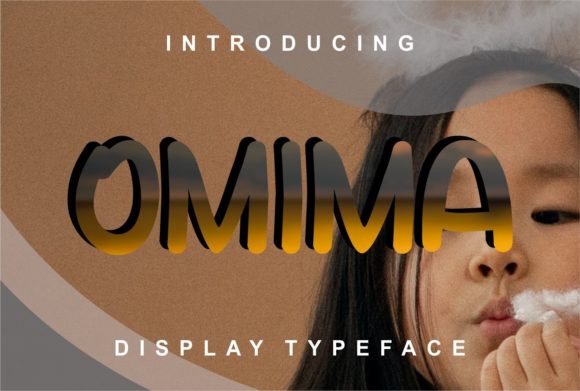
Omima is categorized as a clean and adaptable display font. Its design philosophy centers on geometric precision and modern minimalism, making it suitable for a wide array of creative projects. Whether you are a freelancer crafting a brand identity, an educator designing course materials, or a marketer creating promotional assets, understanding the nuances of Omima helps determine if it aligns with your project’s goals. This evaluation explores its characteristics, practical applications, and value proposition for professional users.
Understanding the Design Philosophy of Omima
At its core, Omima is designed to be unobtrusive yet effective. The term "clean" in typography often refers to a lack of unnecessary decorative elements, allowing the letterforms to speak through their structure rather than ornamentation. Omima achieves this through consistent stroke weights and well-proportioned curves. This approach ensures that the font does not compete with other visual elements in a layout but instead supports them.
The adaptability of Omima stems from its versatility across different sizes and contexts. Unlike some display fonts that lose legibility when scaled down, Omima maintains its structural integrity whether used for a large headline on a poster or a subheading on a business card. This flexibility is particularly valuable for small business owners and entrepreneurs who may need a single font family to maintain consistency across various marketing materials, from social media graphics to printed brochures.
Furthermore, the font’s neutral tone allows it to blend seamlessly with diverse design styles. It pairs well with both serif and sans-serif body fonts, providing a balanced contrast that enhances readability while adding a touch of modern sophistication. For bloggers and publishers, this means Omima can serve as a reliable anchor for titles and section breaks without overwhelming the reader.
Key Characteristics and Strengths
When evaluating a typeface for professional use, several key attributes come into play. Omima demonstrates strength in the following areas:
- Geometric Precision: The letterforms are built on clean geometric principles, resulting in a uniform and harmonious appearance. This consistency is crucial for maintaining a professional look in high-stakes presentations or official documents.
- High Legibility: Despite its display-oriented nature, Omima prioritizes clarity. The open apertures and distinct character shapes ensure that text remains readable even at smaller sizes or from a distance, such as on event flyers or signage.
- Modern Aesthetic: The font reflects contemporary design trends, characterized by simplicity and elegance. This makes it an excellent choice for tech startups, creative agencies, and lifestyle brands looking to convey innovation and reliability.
- Versatility in Weight: Depending on the specific release or variant available, Omima often offers multiple weights. This range allows designers to create hierarchy within a design, using bold variants for emphasis and lighter weights for secondary information.
These characteristics contribute to Omima’s effectiveness in real-world scenarios. For instance, a graphic designer working on a conference poster can use Omima for the main title to grab attention, knowing that its clean lines will stand out against busy backgrounds. Similarly, a web developer might incorporate Omima into a landing page header to enhance user engagement without compromising load times or accessibility standards.
Practical Applications and Use Cases
The utility of Omima extends beyond theoretical design principles. Here are some practical situations where this font shines:
- Print Marketing Materials: Flyers, brochures, and posters benefit significantly from Omima’s strong presence. Its ability to command attention while remaining easy to read makes it ideal for conveying key messages quickly.
- Brand Identity Systems: Startups and established businesses alike can use Omima as part of their visual identity. Its neutrality allows it to adapt to various brand voices, from corporate and serious to friendly and approachable.
- Digital Content Creation: Bloggers and content creators can use Omima for headings and pull quotes. This helps break up text blocks and guide the reader’s eye through the content, improving overall user experience.
- Educational Resources: Educators designing worksheets, presentations, or online courses can rely on Omima for clear and engaging typography. Its straightforward design reduces cognitive load, helping students focus on the material rather than deciphering complex fonts.
For freelancers and creatives, having access to a versatile font like Omima can streamline workflow. Instead of searching for multiple fonts to achieve different effects, a single, well-designed typeface can provide the necessary variety through weight and size adjustments. This efficiency is particularly valuable in fast-paced environments where time is of the essence.
Quality, Usability, and Long-Term Value
From a technical standpoint, Omima is engineered for reliability. High-quality typography should render consistently across different devices and platforms. Omima meets this standard, ensuring that designs look as intended whether viewed on a desktop monitor, a mobile phone, or in print. This cross-platform compatibility is essential for professionals who distribute their work digitally and physically.
Usability is another critical factor. Omima is designed to be intuitive, with standard kerning and spacing that require minimal adjustment. This reduces the time spent fine-tuning layouts, allowing designers to focus on creativity and strategy. Additionally, the font’s clean structure minimizes the risk of rendering issues, which can occur with more complex or experimental typefaces.
Long-term value is determined by how well a font stands the test of time. Trends in design come and go, but clean, geometric sans-serifs tend to have enduring appeal. Omima’s timeless aesthetic ensures that designs created with it remain relevant for years, reducing the need for frequent updates or rebrands. This durability makes it a sound investment for businesses and individuals looking to build a lasting visual presence.
Potential Limitations and Considerations
No tool is perfect, and Omima has certain limitations that users should consider. As a display font, it may not be suitable for extended body text. Using it for paragraphs or long articles could lead to reader fatigue due to its bold, structured nature. It is best reserved for short bursts of text where impact is desired.
Additionally, while Omima is adaptable, its minimalist design may lack the personality required for highly expressive or whimsical projects. Brands seeking a unique, hand-drawn, or ornate aesthetic might find Omima too restrained. In such cases, pairing it with more decorative fonts or exploring alternative typefaces may be necessary.
Users should also verify the licensing terms before incorporating Omima into commercial projects. Understanding the usage rights ensures compliance and avoids potential legal issues, especially for those distributing paid products or services.
Who Should Consider Omima?
Omima is particularly well-suited for:
- Graphic Designers: Who need a reliable, modern font for client projects ranging from branding to editorial design.
- Marketing Professionals: Who create visually driven campaigns and need typography that enhances message clarity.
- Entrepreneurs: Who manage their own branding and require a cost-effective, versatile solution for all their design needs.
- Educators and Publishers: Who prioritize readability and professionalism in their instructional and informational materials.
For these groups, Omima offers a balance of style and function that supports effective communication. Its clean lines and adaptable nature make it a practical addition to any designer’s toolkit.
Final Thoughts
Omima represents a thoughtful approach to modern typography. By focusing on cleanliness, adaptability, and clarity, it provides a solid foundation for a wide range of design projects. While it may not replace specialized fonts for every scenario, its versatility and reliability make it a valuable asset for professionals who value efficiency and aesthetic quality. When used appropriately, Omima can elevate designs, enhance readability, and contribute to a cohesive visual identity. For those seeking a dependable display font that performs well in both digital and print environments, Omima warrants serious consideration.