Why Tentor Is Becoming the Go-To Display Font for Modern Design Workflows
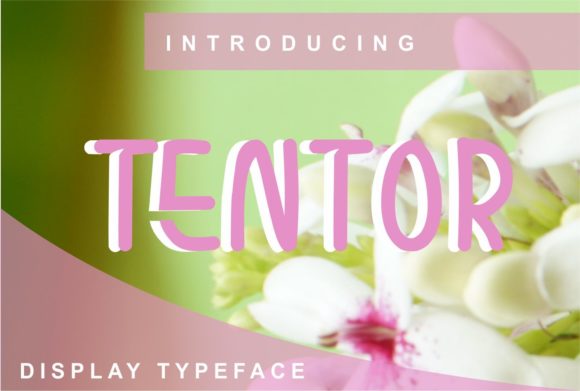
In an era where digital attention spans are shrinking and visual noise is at an all-time high, the role of typography has shifted from mere readability to strategic communication. For professionals, creators, entrepreneurs, and marketers, selecting the right typeface is no longer just about aesthetic preference; it is a critical component of brand identity and user experience. Among the rising contenders in the contemporary font landscape, Tentor has emerged as a significant asset. Defined as an adaptable and trendy display font, Tentor offers more than just stylistic flair—it provides a functional solution for designers navigating the complex demands of modern digital and print media.
This article explores why Tentor is capturing the attention of design enthusiasts and industry experts alike, examining its unique characteristics, its alignment with current market trends, and practical applications that can elevate creative projects.
The Evolution of Display Typography
Display typography serves a distinct purpose: it grabs attention. Unlike body text, which prioritizes legibility over long periods, display fonts are designed to be seen briefly but memorably. They act as the visual hook in headlines, posters, branding materials, and web headers. Historically, this space was dominated by serif or sans-serif extremes—either highly traditional or starkly minimalist. However, recent years have seen a shift toward versatility. Clients and consumers now expect brands to feel both authentic and innovative simultaneously.
Tentor fits squarely into this evolving paradigm. It bridges the gap between rigid structure and organic fluidity, offering a personality that feels both contemporary and timeless. Its design language avoids the fleeting gimmicks often associated with "trendy" fonts, instead focusing on structural integrity that allows it to remain relevant across seasons and campaigns. This adaptability is precisely why it is becoming an indispensable part of professional font libraries.
What Makes Tentor Stand Out?
To understand the value of Tentor, one must look beyond its surface appearance. While it is undeniably stylish, its true strength lies in its adaptable nature. In design, adaptability refers to a font’s ability to maintain its character across various weights, sizes, and contexts without losing coherence. Tentor achieves this through carefully calibrated proportions and a balanced x-height, ensuring that it remains legible even when scaled down for mobile interfaces, yet impactful enough for large-format billboards.
Furthermore, Tentor’s "trendy" classification does not imply it is tied to a specific decade. Instead, it reflects a modern sensibility—one that values clarity, speed, and emotional resonance. The font’s geometric underpinnings provide a clean, tech-forward feel, while subtle humanist touches prevent it from appearing cold or robotic. This duality makes it suitable for a wide range of industries, from fintech startups seeking trustworthiness to lifestyle brands aiming for approachability.
Key Characteristics of Tentor
- High Legibility: Designed for quick scanning, making it ideal for digital screens where users skim content.
- Versatile Weight Range: Offers sufficient contrast between light and bold variants to create hierarchy within a single type family.
- Modern Aesthetic: Clean lines and open counters give it a fresh, uncluttered look that resonates with contemporary audiences.
- Cross-Media Performance: Renders consistently well across web, print, and social media formats.
Aligning with Current Market and Creative Trends
The reason people are paying attention to Tentor is not accidental; it aligns perfectly with broader shifts in consumer behavior and technological capabilities. Today’s digital landscape is characterized by rapid information consumption. Users interact with content on multiple devices, often in distracted environments. Consequently, brands need visual assets that communicate instantly and effectively.
The Rise of Minimalist Complexity
One of the dominant trends in graphic design is "minimalist complexity." This style involves using simple, clean forms but adding subtle details that reward closer inspection. Tentor embodies this trend. At first glance, it appears straightforward and easy to read. Upon closer examination, designers notice the nuanced curves and precise spacing that give it character. This depth allows brands to convey sophistication without overwhelming the viewer—a crucial balance in today’s saturated market.
Mobile-First Design Imperatives
With the majority of web traffic originating from mobile devices, typography must perform flawlessly on small screens. Traditional decorative fonts often fail here, becoming illegible or requiring excessive scaling. Tentor’s adaptable design ensures that headlines remain crisp and readable on smartphones and tablets. For freelancers and agencies working on responsive websites, this reliability reduces the need for extensive testing and iteration, streamlining the workflow significantly.
The Demand for Authentic Branding
Consumers are increasingly skeptical of generic corporate aesthetics. They seek brands that feel genuine and relatable. Tentor supports this desire by offering a tone that is professional yet approachable. It lacks the pretension of some high-fashion serifs and the sterility of basic system fonts. This neutrality allows it to serve as a canvas for diverse brand voices, whether a company wants to appear authoritative or friendly.
Practical Applications for Professionals
Understanding the theory behind Tentor is valuable, but applying it effectively is where the real value lies. Here are several scenarios where Tentor can serve as an incredible asset to your creations.
1. Digital Marketing and Social Media
In the fast-paced world of social media, visuals compete for attention in milliseconds. Tentor’s strong presence makes it an excellent choice for Instagram stories, Facebook ads, and LinkedIn banners. Its clear letterforms ensure that key messages are understood even at small sizes. Marketers can use heavy weights for primary calls-to-action (CTAs) and lighter weights for supporting text, creating a visual hierarchy that guides user engagement.
2. Startup Branding
New businesses often struggle to establish a distinct identity without alienating potential customers. Tentor offers a safe yet distinctive starting point. Entrepreneurs can pair Tentor with vibrant colors or bold imagery to create a dynamic logo or brand guideline. Because the font is adaptable, it can evolve with the company, remaining relevant as the brand matures from a startup to an established enterprise.
3. Editorial and Content Design
For bloggers, publishers, and content creators, readability is paramount. While Tentor is primarily a display font, its lighter weights can be used effectively for subheadings and pull quotes in long-form articles. This application breaks up dense text blocks, improving reader retention and reducing bounce rates. By integrating Tentor into their editorial style, creators can enhance the perceived quality of their content without compromising usability.
4. Event and Campaign Materials
Temporary campaigns, such as product launches or seasonal promotions, require fonts that can capture excitement quickly. Tentor’s trendy appeal makes it perfect for event posters, email newsletters, and promotional videos. Its ability to convey energy and modernity helps these materials stand out in crowded inboxes and physical spaces.
Integrating Tentor into Your Workflow
For professionals looking to incorporate Tentor into their toolkit, the transition should be strategic. Rather than using it for every headline, consider it as a specialized tool for specific moments of impact. Start by identifying projects where visual distinction is critical but legibility cannot be compromised. Test Tentor alongside complementary body fonts to ensure harmony. Often, pairing Tentor with a neutral sans-serif or a classic serif creates a balanced typographic system that leverages the strengths of both.
Moreover, stay updated on how Tentor performs across different platforms. As web technologies evolve, so do rendering standards. Regularly testing your designs in various browsers and devices will help you maximize the font’s potential and avoid technical pitfalls.
Conclusion
The selection of a display font is a decision that ripples through every aspect of a project, influencing perception, engagement, and ultimately, conversion. Tentor represents a thoughtful response to the challenges of modern design. Its blend of adaptability, trend-awareness, and functional clarity makes it a powerful addition to any font library. Whether you are a seasoned designer refining your brand guidelines or a freelancer seeking to elevate your portfolio, Tentor offers the versatility needed to meet the demands of today’s dynamic creative landscape. By choosing a typeface that is both insightful and practical, you invest in the long-term effectiveness of your visual communication.