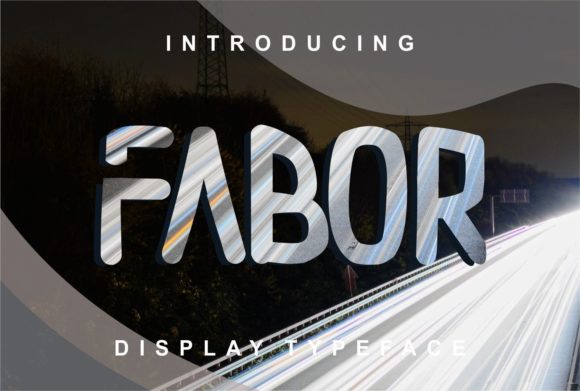
Fabor: The Versatile Display Font for Modern Design
In the vast landscape of digital and print typography, finding a typeface that balances aesthetic appeal with functional versatility can be a daunting task. Designers often find themselves caught between fonts that are too ornate for general use and those that are too plain to make an impact. Enter Fabor, a clean and adaptable display font designed to bridge this gap. Whether you are crafting a high-impact poster, a sleek flyer, or a minimalist brand identity, Fabor offers a solution that is both visually striking and practically robust.
This article explores the characteristics, applications, and strategic value of using Fabor in your design projects. By understanding its unique properties, you can leverage its potential to create materials that not only look stunning but also communicate your message effectively.
Understanding the Core Identity of Fabor
Fabor is not just another sans-serif typeface; it is a carefully engineered display font. Its name suggests a sense of reliability and structure, which is reflected in its geometric yet approachable forms. The font’s primary strength lies in its cleanliness. In an era where visual clutter is a common complaint among users, Fabor provides a refreshing sense of order and clarity.
The adaptability of Fabor stems from its balanced proportions. It avoids the extreme weights or quirky details that characterize many trendy fonts, opting instead for a timeless neutrality that allows it to blend seamlessly into various design contexts. This makes it particularly valuable for professionals who need a typeface that can handle multiple roles without losing its distinct character.
Key Characteristics
- Clean Lines: The strokes are uniform and precise, ensuring legibility even at smaller sizes or when viewed from a distance.
- Adaptability: Fabor works well in both tight layouts and expansive spaces, adjusting naturally to different constraints.
- Modern Aesthetic: Its contemporary feel aligns with current design trends, making it suitable for tech startups, creative agencies, and modern retail brands.
- Print-Ready Quality: Optimized for high-resolution output, Fabor retains its sharpness on paper, ensuring that physical marketing materials look as good as their digital counterparts.
Where Fabor Shines: Practical Applications
One of the most compelling aspects of Fabor is its wide range of applications. Because it is classified as a display font, it is intended to grab attention, but its clean nature prevents it from overwhelming the viewer. Here are some specific scenarios where Fabor excels.
Posters and Event Marketing
When designing a poster, the hierarchy of information is critical. Fabor’s strong presence makes it ideal for headlines and key dates. Its ability to command attention ensures that passersby notice the essential information immediately. For example, a music festival organizer might use Fabor for the event name and date, pairing it with a more decorative font for secondary details. This combination creates a dynamic visual contrast that guides the eye through the poster’s content.
Flyers and Brochures
Flyers often suffer from poor readability due to dense text or conflicting typefaces. Fabor’s clarity helps mitigate these issues. Business owners can use Fabor for section headers, ensuring that customers can quickly scan the flyer for relevant services or promotions. Its neutral tone allows it to support colorful graphics without competing for attention, resulting in a cohesive and professional layout.
Digital Interfaces and Web Headers
While primarily known for print, Fabor’s clean lines translate exceptionally well to digital screens. Web designers can utilize it for hero sections, navigation menus, or call-to-action buttons. Its legibility on various screen resolutions ensures that users have a smooth experience, reducing cognitive load and encouraging engagement.
Who Benefits Most from Using Fabor?
Understanding the target audience for a font is just as important as understanding its technical features. Fabor is particularly beneficial for several groups of users.
- Graphic Designers: Professionals looking for a reliable workhorse font that can handle diverse client needs will appreciate Fabor’s flexibility. It reduces the risk of choosing a font that clashes with a client’s existing brand elements.
- Small Business Owners: Entrepreneurs who manage their own marketing materials benefit from a font that is easy to use and universally appealing. Fabor requires little adjustment to look professional, saving time and effort.
- Content Creators: YouTubers, podcasters, and bloggers often need thumbnail images or promotional graphics. Fabor provides a modern, trustworthy look that enhances credibility and attracts clicks.
- Event Organizers: From corporate conferences to local community events, organizers need materials that convey professionalism and excitement. Fabor strikes the right balance between the two.
Evaluating Suitability: Strengths and Considerations
No single font is perfect for every situation. To make the most of Fabor, it is important to evaluate its strengths and acknowledge its limitations.
Strengths
The primary strength of Fabor is its versatility. It does not force a specific mood onto your design, allowing other elements—such as color, imagery, and layout—to take center stage. This makes it an excellent choice for brands that want to maintain a consistent typographic voice across different mediums. Additionally, its clean aesthetic ensures that it remains relevant over time, avoiding the pitfalls of overly stylized fonts that may quickly become dated.
Considerations and Limitations
Despite its advantages, there are scenarios where Fabor might not be the best choice. As a display font, it is less suited for long-form body text. While it is legible, its bold presence can become fatiguing if used for paragraphs. Designers should pair Fabor with a highly readable serif or sans-serif body font to create a balanced typographic hierarchy.
Furthermore, because Fabor is clean and somewhat neutral, it may lack the personality required for brands seeking a highly distinctive or playful image. In such cases, a more expressive typeface might be necessary. However, even in these situations, Fabor can serve as a complementary font to provide structural stability.
Best Practices for Integrating Fabor into Your Designs
To maximize the impact of Fabor, consider the following practical tips.
- Pairing Strategies: Combine Fabor with contrasting fonts. For instance, pair it with a delicate script font for accents or a classic serif for body text. This creates visual interest while maintaining readability.
- Use White Space: Allow Fabor room to breathe. Its clean lines are best appreciated when they are not cramped by excessive text or busy backgrounds. Generous white space enhances its modern aesthetic.
- Color Contrast: Ensure sufficient contrast between the font color and the background. Fabor’s effectiveness relies on its clarity, so low-contrast combinations can undermine its impact.
- Scale Appropriately: Use larger sizes for headlines to leverage its display qualities. Reserve smaller sizes for subheadings or captions, ensuring that the hierarchy remains clear.
Conclusion
Fabor represents a thoughtful approach to typography, offering a blend of cleanliness, adaptability, and modern style. Its ability to perform well in both print and digital environments makes it a valuable asset for designers, business owners, and creators alike. By understanding its characteristics and applying it strategically, you can enhance the visual communication of your projects.
Whether you are launching a new product, promoting an event, or rebranding your company, exploring the endless possibilities of Fabor can lead to stunning results. Remember, the best fonts are those that serve the message, and Fabor is designed to do exactly that—clearly, confidently, and beautifully. Embrace its potential and let it elevate your design work to new heights.