Why Gecko Is the Ultimate Display Font for Modern Digital and Print Design
In the crowded landscape of typography, finding a typeface that commands attention without screaming for it is a rare feat. Most designers struggle with the balance between legibility and artistic flair. Enter Gecko, a modern, techno-inspired display font that has quickly become a favorite among creative professionals who need to make a bold statement. Whether you are crafting a sleek website interface, designing high-end business cards, or putting together a futuristic brand identity, Gecko offers the unique touch required to elevate your project from ordinary to extraordinary.
The name itself suggests agility, adaptability, and a certain organic yet structured precision—qualities that define the visual language of this typeface. Unlike traditional serif or sans-serif fonts that rely on historical conventions, Gecko leans into the digital age. It feels native to screens, responsive to various contexts, and possesses a distinct personality that resonates with contemporary audiences. But what exactly makes Gecko stand out in a sea of generic fonts? Let’s explore its characteristics, applications, and why it deserves a spot in your design toolkit.
Understanding the Aesthetic: Techno Meets Modernity
To appreciate Gecko, one must first understand its aesthetic roots. It is not merely a "cool" font; it is a carefully constructed display typeface designed with specific geometric principles. The term "techno" in its description isn't just marketing fluff. It refers to the clean lines, sharp angles, and minimalist forms that characterize the font. These elements evoke the feeling of technology, innovation, and forward-thinking industries such as tech startups, gaming, automotive design, and cyberpunk aesthetics.
However, Gecko avoids being too cold or robotic. Its modern interpretation softens the harsh edges slightly, ensuring that it remains approachable. This duality is crucial. A font that is too aggressive can alienate users, while one that is too plain gets ignored. Gecko hits the sweet spot. It has enough character to be memorable but enough restraint to remain professional. When you use Gecko, you are signaling that your brand is current, efficient, and technologically savvy.
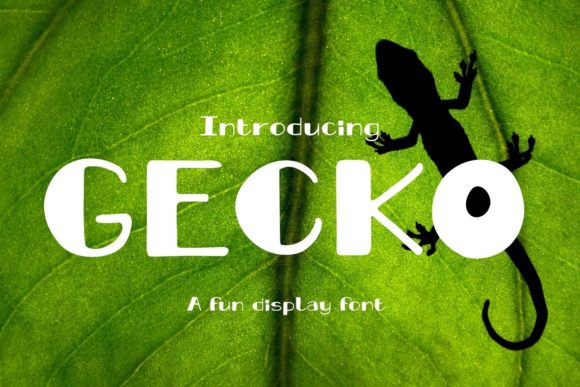
The letterforms themselves are distinctive. Notice how the curves are often broken or stylized, adding a layer of visual interest without compromising readability at larger sizes. This is key for a display font. Display fonts are meant to be read from a distance or at large scales, where intricate details can be appreciated. Gecko leverages this by incorporating subtle cuts and unique terminal shapes that catch the eye. It’s these small details that separate a good design from a great one.
Ideal Use Cases for Gecko
So, where does Gecko shine brightest? While it can be used creatively in body text for very specific stylistic projects (though generally not recommended for long-form reading), its true power lies in display applications. Here are some scenarios where Gecko proves indispensable:
- Web Design and UI Elements: In web design, the hero section is everything. You have seconds to capture a visitor's attention. Using Gecko for headlines, navigation bars, or call-to-action buttons immediately establishes a modern tone. It pairs exceptionally well with minimalist backgrounds, allowing the typography to become the focal point of the page. For SaaS companies, tech blogs, or portfolio sites, Gecko adds a layer of sophistication that standard fonts like Arial or Helvetica simply cannot match.
- Business Cards and Stationery: Your business card is often the first physical interaction someone has with your brand. A standard font on a standard card is forgettable. Gecko transforms a simple card into a piece of art. Imagine a matte black business card with Gecko printed in metallic silver or white ink. The contrast highlights the techno aesthetic, suggesting precision and high quality. It tells the recipient that you pay attention to detail and value modern design principles.
- Event Posters and Flyers: If you are promoting a tech conference, a music festival, or an art exhibition, you need typography that pops. Gecko’s strong presence ensures that your message is seen from across the room. Its unique look helps your event stand out in a stack of flyers or a busy social media feed. It conveys energy and excitement, which are essential traits for promotional materials.
- Logo Design and Branding: For brands looking to establish a futuristic or innovative identity, Gecko serves as an excellent base for logo creation. Its distinctive letters can be customized further, combined with icons, or spaced out to create a custom logotype. Many tech startups use Gecko-like typefaces to convey reliability and cutting-edge capability.
Practical Considerations for Implementation
While Gecko is visually stunning, integrating it into your workflow requires some strategic thinking. Fonts are not one-size-fits-all tools. To get the most out of Gecko, consider the following practical tips:
- Pairing is Key: Because Gecko is a display font with strong character, it needs a partner. Avoid pairing it with other busy or decorative fonts. Instead, opt for neutral, clean sans-serif fonts for body text. A simple, lightweight sans-serif will provide a perfect counterbalance to Gecko’s boldness, creating a harmonious hierarchy. This contrast ensures that while your headlines grab attention, your informational content remains easy to read.
- Whitespace is Your Friend: Gecko looks best when it has room to breathe. Cluttered designs diminish the impact of any typeface, but they are particularly detrimental to display fonts like Gecko. Use ample whitespace around your Gecko text to let its unique shapes shine. Don’t be afraid of empty space; it enhances the perception of luxury and modernity.
- Color and Texture: The context in which Gecko appears affects its perception. On dark backgrounds, it exudes a cyberpunk, high-tech vibe. On light, paper-like textures, it feels more editorial and sophisticated. Experiment with gradients, metallic foils, or embossing effects if you are working in print. These enhancements can bring out the technological nuances in the letterforms.
- Scale Matters: As mentioned earlier, Gecko is a display font. It loses its charm when scaled down too small. Ensure that your designs allow for sufficient size so that the unique cuts and angles are visible. If you find yourself needing a smaller version for subheadings, consider using a lighter weight from the Gecko family if available, or switch to a complementary sans-serif.
Why Gecko Fits Modern Workflows
Modern design workflows are faster and more collaborative than ever before. Tools like Figma, Adobe XD, and Canva have democratized design, making it accessible to non-designers as well. Gecko fits seamlessly into these environments because of its versatility and ease of use. It doesn’t require complex kerning adjustments or obscure settings to look good. Out of the box, it delivers a polished result.
Furthermore, the demand for digital-first content is higher than ever. Social media graphics, email headers, and app interfaces all require typography that renders well on various screen resolutions. Gecko’s clean lines ensure crisp rendering on both Retina displays and standard monitors. This technical reliability is a huge plus for developers and designers who need their assets to look consistent across devices.
There is also the aspect of trend alignment. The "techno" aesthetic is not a fleeting fad; it is becoming a staple of modern visual culture. From the rise of AI imagery to the popularity of cyberpunk media, our collective visual vocabulary is shifting towards more structured, digital-native aesthetics. By choosing Gecko, you are aligning your brand with this broader cultural movement. You are showing that you are aware of where design is heading, not just where it has been.
Conclusion: Adding That Unique Touch
In the end, typography is about communication. It’s about conveying a message through form and style. Gecko communicates confidence, innovation, and modernity. It is a tool that allows designers to break away from the mundane and create something truly memorable. Whether you are a seasoned graphic designer looking to refresh your portfolio or a business owner wanting to give your brand a fresh coat of paint, Gecko offers the solution.
Don’t underestimate the power of a well-chosen font. In a world saturated with information, standing out is half the battle. Gecko provides the visual hook that draws people in. It invites them to look closer, to engage with your content, and to remember your brand. So, the next time you start a new project, skip the default options. Give Gecko a try. You might just find that the unique touch you’ve been looking for was waiting in the type library all along.