The Art of Precision: Why Overlet Defines Modern Typography
In the rapidly evolving landscape of graphic design and visual communication, typography serves as the backbone of every compelling narrative. It is not merely about selecting letters to convey a message; it is about establishing a mood, guiding the reader’s eye, and creating an emotional connection through shape and form. Among the myriad of typefaces available to designers today, Overlet has emerged as a distinctive choice for those seeking a blend of clarity, elegance, and structural integrity. This clean and adaptable display font offers a unique aesthetic that resonates across various mediums, from digital interfaces to high-impact print materials.
Understanding the nuances of a typeface like Overlet requires looking beyond its visual appeal. It involves analyzing its historical context, its technical specifications, and its practical application in real-world scenarios. For professionals, educators, and hobbyists alike, mastering the use of such fonts can elevate the quality of their work, ensuring that every project communicates with precision and purpose. This article explores the characteristics, advantages, and diverse applications of Overlet, providing a comprehensive guide for integrating this versatile font into your design workflow.
Defining the Aesthetic: Characteristics of Overlet
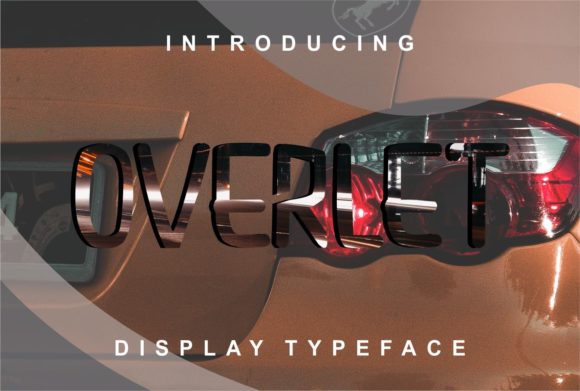
To appreciate the utility of Overlet, one must first understand what makes it distinct within the crowded field of display fonts. The term "display font" refers to typefaces designed to be used at large sizes, where legibility is still important but artistic expression takes precedence. Overlet excels in this category by balancing minimalism with subtle complexity.
Clean Lines and Geometric Foundations
At its core, Overlet is built upon geometric principles. Its letterforms are constructed with clean, unbroken lines that exude a sense of modernity and order. This geometric foundation ensures that the font remains highly readable even when scaled up to poster size or down to small flyer headers. The absence of unnecessary serifs or ornate flourishes allows the text to speak directly to the viewer without distraction. This characteristic makes Overlet particularly suitable for contemporary branding, where simplicity and directness are valued traits.
Adaptability Across Weights and Styles
One of the most significant advantages of Overlet is its adaptability. A robust font family typically includes multiple weights, ranging from light to bold, allowing designers to create hierarchy and emphasis within a single composition. Overlet leverages this feature effectively, enabling users to pair a thin weight for elegant subheadings with a heavy weight for commanding titles. This versatility means that a single font can often replace the need for multiple typefaces, streamlining the design process and ensuring visual cohesion.
Humanist Touches in a Digital Age
While rooted in geometry, Overlet avoids the coldness often associated with purely mechanical typefaces. Subtle humanist touches are woven into its curves and angles, giving it a warm, approachable feel. This balance between the digital and the organic is crucial in today’s design environment, where audiences crave authenticity alongside technological sophistication. The result is a font that feels both futuristic and timeless, capable of bridging the gap between traditional print aesthetics and modern digital experiences.
Practical Applications in Print Design
Although digital media dominates much of our attention, print design remains a powerful tool for making lasting impressions. Overlet’s ability to look stunning on physical media makes it a preferred choice for professionals working in marketing, publishing, and event planning. Its high contrast and sharp details render beautifully on paper, capturing the eye in ways that screen-based designs sometimes fail to achieve.
- Posters and Event Banners: For music festivals, art exhibitions, or corporate conferences, the impact of a headline is paramount. Overlet’s bold weights provide the necessary visual weight to grab attention from a distance, while its clean lines ensure that the information remains legible even in busy environments. The font’s modern aesthetic aligns well with creative industries, signaling innovation and professionalism.
- Flyers and Brochures: In promotional materials, space is often at a premium. Overlet’s efficient spacing and clear structure allow designers to pack more information into a smaller area without sacrificing readability. Its adaptability means that it can handle everything from catchy slogans to detailed schedules, maintaining a consistent tone throughout the document.
- Magazine and Editorial Layouts: High-end magazines and editorial spreads often rely on display fonts to break up text and add visual interest. Overlet serves as an excellent choice for pull quotes, chapter headings, and cover lines. Its elegance complements photographic content, enhancing the overall narrative without overpowering the imagery.
Digital Integration and User Experience
The transition from print to digital platforms has changed how typography is consumed. On screens, factors like load times, responsiveness, and scalability become critical. Overlet addresses these concerns effectively, making it a viable option for web designers and app developers who prioritize both aesthetics and performance.
Web Headers and Landing Pages
In the digital realm, the first impression is often determined by the hero section of a website. A strong typographic presence here can significantly influence user engagement. Overlet’s clean and bold appearance works exceptionally well for website headers, conveying authority and clarity. Because it is a display font, it encourages designers to use it sparingly for maximum impact, adhering to best practices in web design that advocate for limited typographic variety to reduce cognitive load.
User Interface (UI) Elements
While primarily a display font, certain weights of Overlet can be integrated into user interface elements such as buttons, labels, and navigation bars. Its geometric nature ensures that icons and text align harmoniously, creating a unified visual language. For tech startups and SaaS companies looking to project a sleek, innovative image, Overlet provides a sophisticated alternative to standard sans-serif fonts like Arial or Helvetica.
Responsive Design Considerations
Designers must consider how fonts behave across different devices. Overlet’s scalable vector nature ensures that it maintains its crisp edges whether viewed on a smartphone, tablet, or desktop monitor. This consistency is vital for brand identity, ensuring that a company’s visual messaging remains intact regardless of the platform. Furthermore, its clear letterforms aid accessibility, helping users with visual impairments to read content more easily on smaller screens.
Strategic Advantages for Businesses and Creators
Choosing the right typeface is a strategic decision that can influence brand perception and market positioning. Overlet offers several advantages that make it a smart investment for businesses and individual creators alike.
Brand Differentiation
In a saturated market, standing out is essential. Many brands rely on generic typefaces that blend into the background. By choosing a distinctive font like Overlet, businesses can inject personality and uniqueness into their visual identity. The font’s clean yet characterful design helps brands communicate values such as precision, modernity, and reliability. This differentiation can lead to stronger brand recall and customer loyalty.
Cross-Disciplinary Appeal
Overlet’s versatility allows it to bridge gaps between different disciplines. A business owner might use it for a professional annual report, while a graphic designer uses it for a creative portfolio. An educator might employ it for educational posters, and a researcher might use it for conference presentations. This cross-disciplinary appeal makes Overlet a valuable asset for individuals and organizations that operate in multiple arenas.
Cost-Effective Design Solutions
For freelancers and small businesses, budget constraints are a reality. Using a versatile font like Overlet can reduce the need to purchase multiple typefaces to achieve varied effects. Its range of weights and styles allows for extensive typographic experimentation within a single license. This efficiency not only saves money but also simplifies file management and collaboration among team members.
Best Practices for Implementation
To fully leverage the potential of Overlet, designers should adhere to certain best practices that enhance readability and aesthetic harmony.
- Pairing with Complementary Fonts: While Overlet is strong enough to stand alone, pairing it with a neutral body font can improve readability for longer texts. Simple sans-serifs or classic serifs work well as partners, allowing Overlet to shine in headlines while the supporting font handles the bulk of the reading.
- Mindful Use of White Space: Display fonts benefit greatly from ample white space. Giving Overlet room to breathe prevents visual clutter and emphasizes its clean lines. Designers should avoid overcrowding layouts, instead using negative space to draw attention to key messages.
- Contrast and Color: To maximize impact, use high contrast between the text and background. Overlet’s black-and-white purity is enhanced by stark contrasts, whether in monochrome designs or vibrant color schemes. Experimenting with color can reveal new dimensions of the font’s character, adding depth and interest to static forms.
Future Trends and Longevity
Typography trends come and go, but foundational principles endure. Overlet’s design philosophy aligns with current trends toward minimalism and functionality, suggesting its longevity in the design community. As consumer preferences shift towards cleaner, more authentic visual experiences, fonts that embody these qualities will remain relevant.
Moreover, the growing emphasis on sustainability in design—both environmental and cognitive—favors efficient, versatile tools like Overlet. By reducing the need for excessive decoration and relying on strong, clear forms, designers can create more sustainable and inclusive communications. Overlet supports this movement by offering a solution that is both aesthetically pleasing and functionally superior.
Conclusion
Overlet represents more than just a collection of glyphs; it is a tool for effective communication. Its clean lines, adaptability, and striking presence make it an invaluable asset for anyone involved in visual design. Whether you are crafting a poster for a local event, designing a website for a global brand, or producing educational materials for students, Overlet offers the flexibility and style needed to succeed. By understanding its characteristics and applying them thoughtfully, designers can unlock endless possibilities, creating work that is not only seen but remembered. In a world filled with noise, Overlet provides the clarity and confidence required to make a meaningful impact.