Evaluating Suxan: A Strategic Look at Urban Display Typography for Modern Branding
In the landscape of contemporary graphic design, typography serves as more than just a vehicle for text; it is a primary component of visual identity. When a project demands an immediate sense of attitude, energy, and street-level authenticity, designers often turn to display fonts that mimic the raw aesthetics of urban culture. Among these options, Suxan has emerged as a notable choice for creatives seeking a bold, graffiti-inspired aesthetic. This analysis explores the specific characteristics of Suxan, its practical applications in branding and media, and how it compares to broader categories of urban typefaces to help you determine if it fits your next project.
Defining the Suxan Aesthetic
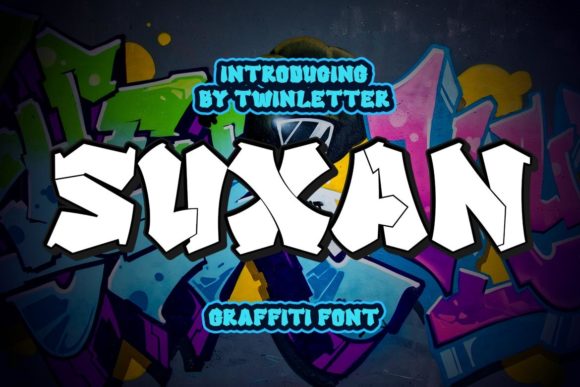
Suxan is categorized as a display font, meaning it is designed primarily for large sizes rather than body text. Its style is rooted in the visual language of graffiti and street art, characterized by sharp angles, irregular strokes, and a dynamic sense of movement. Unlike traditional serif or sans-serif fonts that prioritize legibility and neutrality, Suxan prioritizes impact. The letters often feature exaggerated weights and stylized flourishes that evoke the feeling of spray paint on concrete or markers on a subway car.
What makes Suxan distinct from generic "grunge" fonts is its structural coherence. While some urban-style fonts can appear chaotic or illegible at smaller sizes, Suxan maintains a consistent baseline and spacing that allows it to function as a readable headline. It balances the rebellious spirit of street culture with the technical precision required for professional design work. This duality makes it suitable for contexts where you want to convey edginess without sacrificing clarity.
Key Visual Characteristics
- Bold Weight: The heavy stroke widths ensure visibility against complex backgrounds or busy imagery.
- Irregular Edges: Subtle textures and jagged edges simulate the look of rough surfaces, adding tactile depth to digital designs.
- Dynmic Angles: Letters are often tilted or skewed slightly, creating a forward momentum that grabs attention.
- Urban Texture: The font carries an inherent "street" vibe that requires minimal additional graphic elements to establish context.
Optimal Use Cases for Suxan
Understanding where Suxan excels is crucial for effective deployment. Because it is a high-impact display font, it is not versatile enough for long-form content. Instead, it shines in short, punchy applications where mood-setting is the priority. Below are several scenarios where Suxan proves particularly effective.
Music and Entertainment Media
The music industry, particularly genres like hip-hop, rap, trap, and electronic dance music (EDM), frequently relies on aggressive, high-energy visuals. Suxan’s graffiti styling aligns perfectly with album covers, concert posters, and promotional banners for these genres. The font’s raw energy mirrors the intensity of the music, creating a cohesive sensory experience for the audience. For independent artists looking to establish a brand that feels authentic and grounded in street culture, Suxan offers a cost-effective way to achieve a professional yet gritty look.
Retail and Streetwear Branding
Brands operating in the fashion, skateboarding, or sneaker industries often draw inspiration from urban subcultures. Suxan is well-suited for product labels, hang tags, and social media graphics for these sectors. When used on packaging, the font can signal that a product is limited-edition, exclusive, or tied to a specific lifestyle. However, designers must be careful to balance Suxan with cleaner, simpler secondary fonts to ensure that essential information like sizing or material composition remains legible.
Event Marketing and Posters
For events such as graffiti art competitions, urban photography exhibitions, or youth-focused festivals, Suxan can serve as the primary headline font. Its ability to command attention makes it ideal for outdoor advertising where viewers have only seconds to process the message. The font’s bold nature ensures that the event name stands out even from a distance.
Comparative Analysis: Suxan vs. Other Urban Typography Options
When selecting a font for urban-themed projects, designers typically choose between three broad categories: realistic graffiti scripts, distressed grunge fonts, and modern geometric sans-serifs with urban flair. Understanding how Suxan fits into this spectrum helps clarify its value proposition.
Suxan vs. Realistic Graffiti Scripts
Realistic graffiti fonts attempt to replicate the hand-drawn styles of famous taggers. These fonts often feature complex connections between letters, bubbles, and intricate shading. While visually impressive, they can be difficult to read and time-consuming to set up. Suxan differs by offering a more typographic approach. It retains the *feel* of graffiti without the extreme complexity of a full script. This makes Suxan easier to kern and adjust, allowing for quicker turnaround times in design workflows while still delivering a relevant aesthetic.
Suxan vs. Distressed Grunge Fonts
Grunge fonts rely heavily on texture overlays, noise, and erosion effects to create a worn-out look. Suxan incorporates some of these elements but relies more on the shape of the letterforms themselves. This distinction is important because texture-based fonts can become muddy when printed at small sizes or reproduced on low-resolution screens. Suxan’s cleaner vector structure ensures better scalability. If your project requires the text to remain crisp across various media—from a billboard to a mobile app icon—Suxan’s structural integrity provides an advantage over purely texture-driven alternatives.
Suxan vs. Modern Geometric Sans-Serifs
Some brands opt for clean, geometric sans-serifs to suggest urban sophistication without the aggression of graffiti. This approach works well for tech startups or corporate entities wanting a subtle nod to city life. Suxan, however, is explicitly bold and loud. It is not a substitute for a neutral sans-serif but rather a tool for when neutrality is undesirable. Choosing Suxan signals that the brand is willing to take risks and embrace a more visceral emotional response from the viewer.
Tradeoffs and Limitations
No single font is a universal solution. While Suxan is powerful in specific contexts, it comes with inherent limitations that designers must manage.
Legibility Challenges
Due to its stylized nature, Suxan can lose legibility if scaled down too far. Using it for paragraphs or small UI elements will frustrate users and harm accessibility standards. It should be reserved for headlines, logos, and key call-to-action buttons. Additionally, the irregular shapes may cause issues with certain automated typesetting systems, requiring manual adjustment of spacing to prevent collisions between characters.
Brand Perception Risks
The strong association with street culture means Suxan may not be appropriate for all audiences. Brands targeting conservative demographics or aiming for a luxurious, minimalist aesthetic might find Suxan too aggressive or informal. Misusing this font can make a brand appear unprofessional or trying too hard to appeal to a niche market. Careful consideration of the target audience’s cultural context is essential before adopting Suxan as a core brand element.
Overuse and Cliché
As with any popular style, the graffiti aesthetic can become clichéd if overused. Many urban brands rely on similar visual tropes, leading to a homogenized look in the marketplace. To stand out, designers using Suxan should pair it with unique color palettes, unconventional layouts, or high-quality photography. Relying solely on the font to convey originality is rarely sufficient in a saturated market.
Decision Factors: Is Suxan Right for You?
Choosing between Suxan and other typographic options depends on several key factors. Consider the following questions to guide your decision:
- What is the primary emotion you want to evoke? If the goal is excitement, rebellion, or high energy, Suxan is a strong candidate. If calmness or trust is the priority, look elsewhere.
- Where will the font be displayed? For large-format print and digital banners, Suxan performs well. For small-screen interfaces or dense informational text, it is unsuitable.
- How much customization do you need? If you require a highly customized, one-of-a-kind logo mark, a bespoke custom font might be better. If you need a reliable, ready-to-use asset that conveys a specific vibe quickly, Suxan offers excellent value.
- Who is your audience? Ensure your target demographic resonates with urban and street-art aesthetics. Misalignment here can lead to ineffective communication.
Conclusion
Suxan represents a specialized tool in the designer’s arsenal, bridging the gap between raw street art expression and functional typography. Its bold, graffiti-styled appearance makes it an excellent choice for projects in music, streetwear, and event marketing where attitude and visibility are paramount. However, its effectiveness hinges on proper application. Designers must respect its limitations regarding legibility and context, ensuring it is used strategically rather than ubiquitously.
By understanding Suxan’s strengths and tradeoffs, you can make informed decisions about when to deploy this font. Whether used as a standalone statement or paired with complementary typefaces, Suxan can add significant visual weight and cultural relevance to your designs. As with any creative resource, the key lies in matching the tool’s personality to the project’s intent, resulting in work that is not only aesthetically striking but also communicatively effective.