Abine Display Font Evaluation
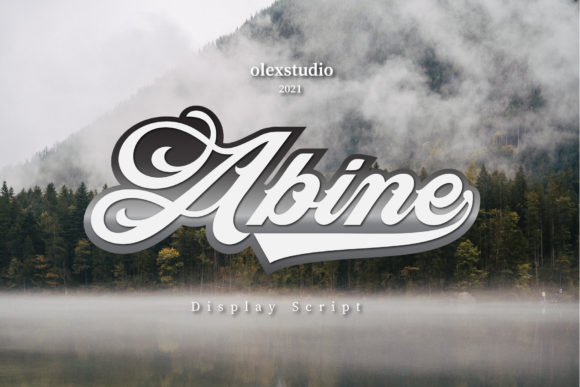
In the realm of digital typography, selecting the right display font is a critical decision that influences brand identity, user engagement, and overall aesthetic coherence. Among the myriad of options available to designers, Abine has emerged as a notable choice for projects requiring a distinct retro character. Crafted with precision, Abine is a gorgeous and bold display font designed to give headlines and logotype projects a retro touch. This evaluation explores the technical specifications, aesthetic qualities, and practical applications of Abine to help designers determine if it aligns with their specific project needs.
Understanding Abine: A Retro Display Solution
Abine is not merely a standard typeface; it is a specialized display font intended for high-impact usage. Its design language draws heavily from mid-century aesthetics, offering a visual weight and stylistic flair that commands attention. The font is characterized by its bold strokes and distinctive letterforms that evoke a sense of nostalgia while maintaining modern legibility. For designers working on branding materials, poster designs, or web headers where the text serves as a primary visual element, Abine provides a ready-made solution for achieving a vintage-inspired look without the need for complex graphic manipulation.
The appeal of Abine lies in its ability to bridge the gap between historical typographic trends and contemporary design requirements. It offers a "retro touch" that is versatile enough to fit within various creative contexts, from artisanal product packaging to editorial layouts. By choosing Abine, designers are selecting a tool that immediately communicates a specific mood—one that is confident, established, and visually striking.
Technical Specifications and Accessibility
One of the most significant advantages of Abine for professional designers is its encoding structure. The font is PUA encoded, which stands for Private Use Area encoding. In the context of Unicode standards, the PUA is a section of code points reserved for private use by vendors. While this might sound restrictive, in practice, it offers a streamlined workflow for accessing the full range of Abine’s features.
- Comprehensive Glyph Access: PUA encoding allows users to access all glyphs and swashes with ease. This means that decorative elements, alternate characters, and stylistic variations are readily available within the font file itself.
- Reduced File Complexity: By utilizing the PUA, the font maintains a manageable file size while still offering an extensive library of design assets. This can lead to faster loading times in web environments and easier management in desktop publishing software.
- Design Flexibility: Designers can mix standard characters with ornamental swashes to create unique logotypes or headline treatments. This flexibility is crucial for creating custom branding identities that stand out in a crowded market.
For those unfamiliar with PUA encoding, it is important to note that compatibility depends on the software being used. Most modern design applications support PUA fonts seamlessly, but it is advisable to test the font in your specific workflow before committing to a large-scale project.
Evaluating Use Cases and Strategic Fit
Determining whether Abine is the right choice requires an honest assessment of the project’s goals. Display fonts like Abine are powerful tools, but they are not universally applicable. They excel in specific scenarios where visual impact outweighs the need for extended readability.
Ideal Scenarios for Abine
Abine is particularly well-suited for short-form text applications. Consider the following situations where this font may be a strong fit:
- Brand Identity and Logos: The bold nature of Abine makes it an excellent candidate for logo construction. Its retro aesthetic can convey heritage, reliability, or craftsmanship, depending on the industry.
- Editorial Headlines: Magazine covers, blog headers, and newspaper titles benefit from the eye-catching quality of Abine. It draws the reader in, encouraging them to engage with the content that follows.
- Marketing Materials: Posters, flyers, and social media graphics often rely on typography as the primary hook. Abine’s distinctive style can enhance the perceived value of a product or event.
- Packaging Design: For consumer goods aiming to evoke a sense of tradition or artisanal quality, Abine can serve as a key component of the package design, differentiating the product on the shelf.
Situations Requiring Alternatives
Despite its strengths, Abine is not suitable for every design challenge. Designers should exercise caution in the following areas:
- Body Copy: As a display font, Abine lacks the subtlety required for long-form reading. Using it for paragraphs of text will likely result in reader fatigue and reduced comprehension.
- Minimalist Designs: If the design brief calls for a clean, understated, or ultra-modern aesthetic, Abine’s bold retro character may clash with the overall vision. In such cases, a geometric sans-serif or a refined serif would be more appropriate.
- Highly Technical Content: For scientific, medical, or technical documents where neutrality and clarity are paramount, Abine’s stylistic flair may introduce unnecessary bias or distraction.
Weighing Benefits Against Tradeoffs
Every typographic choice involves tradeoffs. With Abine, the primary benefit is its immediate visual impact and thematic specificity. However, designers must consider the potential limitations regarding versatility and audience perception.
Consideration of Audience: The retro aesthetic associated with Abine resonates strongly with certain demographics but may feel outdated or irrelevant to others. It is essential to understand the target audience’s cultural associations with vintage design. For some, it evokes warmth and authenticity; for others, it may signal a lack of innovation.
Pairing Challenges: Because Abine is a dominant display font, it requires careful pairing with complementary typefaces. Successful pairings often involve neutral sans-serifs or simple serifs that do not compete with Abine’s bold presence. Poor pairing choices can lead to visual clutter and a disjointed user experience.
Licensing and Usage Rights: Before integrating Abine into any commercial project, designers must verify the licensing terms. Understanding whether the font allows for web embedding, app development, or print-only use is crucial to avoid legal complications. PUA encoding does not inherently dictate licensing restrictions, so due diligence is necessary.
Practical Decision-Making Insights
To make an informed decision about using Abine, designers should follow a structured evaluation process. Start by defining the core message of the project. Is the goal to evoke nostalgia, assert authority, or create excitement? If the answer leans toward nostalgia or bold assertion, Abine is a viable option.
Next, create mockups using Abine alongside potential body copy fonts. Evaluate the contrast between the headline and the supporting text. Does Abine overpower the other elements, or does it provide a balanced hierarchy? Test the font at various sizes to ensure that the swashes and details remain legible and effective.
Finally, seek feedback from peers or clients. Typography is subjective, and external perspectives can reveal blind spots in the design rationale. If the consensus is that Abine enhances the project’s goals without compromising usability, it is likely a sound choice.
Conclusion
Abine is a robust and visually compelling display font that offers significant value for projects seeking a retro aesthetic. Its PUA encoding ensures easy access to a wide array of glyphs and swashes, providing designers with the flexibility to create unique and engaging typographic compositions. However, its bold nature requires strategic application, particularly in avoiding overuse in body copy or minimalist contexts.
By carefully considering the project’s objectives, audience expectations, and technical constraints, designers can determine whether Abine is the right tool for the job. When used appropriately, Abine can elevate headlines and logotypes, adding a layer of sophistication and character that resonates with viewers. For those willing to embrace its distinctive style, Abine remains a valuable asset in the modern designer’s toolkit.