Integrating Crafty Signs into Your Creative Workflow
Selecting the right typography is rarely just about aesthetics; it is a functional decision that impacts readability, brand perception, and overall project cohesion. For creators, entrepreneurs, and marketers who frequently produce visual content, finding a typeface that balances personality with usability can be challenging. This is where Crafty Signs enters the workflow. It is not merely a decorative element but a strategic tool designed for bold, playful displays that require immediate visual impact without sacrificing legibility.
Understanding how to implement Crafty Signs effectively requires looking beyond its initial appearance. It fits into a broader process of design execution, from the initial concept phase to final production. Whether you are designing packaging for a small business, creating social media assets for a personal brand, or developing educational materials, knowing how this font interacts with other design elements ensures your projects remain consistent, professional, and engaging.
Defining the Role of Crafty Signs in Design
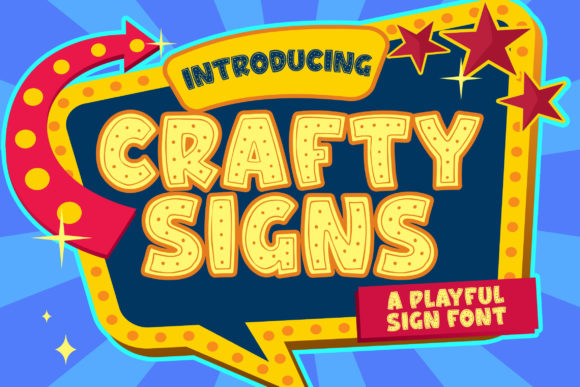
Crafty Signs is characterized by its bold and playful nature. Unlike subtle serif fonts that recede into the background, or stark sans-serifs that prioritize neutrality, this display font commands attention. It is made with a high level of aesthetics, meaning every curve and angle has been considered to create a specific mood—one that is fun, approachable, yet structured enough for professional use.
In a typical design workflow, fonts serve two primary functions: hierarchy and tone. Crafty Signs excels at establishing tone. It signals to the viewer that the content is informal, creative, or hands-on. However, because it is a "display" font, it is not intended for body text. Its strength lies in headlines, titles, logos, and short phrases. Misusing it for long paragraphs will disrupt the reading experience, breaking the flow of information. Therefore, the first step in integration is defining its scope within your layout.
Distinguishing Display from Body Typography
A common error in amateur design is over-relying on personality fonts. To maintain quality control, always pair Crafty Signs with a neutral, highly readable typeface for supporting text. The contrast between the playful, bold letters of Crafty Signs and a clean, simple sans-serif or classic serif creates visual balance. This pairing allows the eye to rest after processing the headline, ensuring the message is absorbed efficiently.
When planning your project, consider the following hierarchy:
- Primary Headline: Use Crafty Signs to capture attention immediately.
- Secondary Subheads: Use a lighter weight or different color to guide the reader down the page.
- Body Copy: Stick to standard, accessible fonts to ensure clarity and professionalism.
This structure ensures that the unique character of Crafty Signs enhances the design rather than overwhelming it. It acts as the hook, drawing the audience in, while the rest of the typography delivers the substance.
Pre-Production Planning and Asset Preparation
Before opening any design software, effective integration of Crafty Signs begins with preparation. Since this font has distinct stylistic quirks, understanding its behavior under different conditions is crucial. Not all devices render display fonts identically, and variations in screen resolution can affect how the "playful" aspects appear.
Ensure you have the correct file formats available. For digital workflows, web-safe versions (such as WOFF2) are essential for fast loading times on websites and blogs. For print workflows, vector formats like SVG or PDF are preferred to maintain crisp edges at any scale. If you are working with a team or outsourcing parts of your project, provide clear guidelines on how Crafty Signs should be used. Ambiguity here can lead to inconsistent branding across different deliverables.
Compatibility and Licensing Considerations
Professionalism extends to legal compliance. Before incorporating Crafty Signs into any commercial project, verify the licensing terms. Some fonts allow for personal use only, while others permit commercial application with attribution. Understanding these constraints prevents costly revisions later in the process. For freelancers and small business owners, having a library of pre-cleared fonts streamlines the onboarding process for new clients.
Additionally, test the font’s compatibility with your chosen platforms. If you are using drag-and-drop website builders or social media graphic tools, check if Crafty Signs is natively supported. If not, you may need to upload custom fonts, which adds a step to your workflow. Plan for this time investment during the project scoping phase to avoid bottlenecks.
Implementation Across Different Media
The versatility of Crafty Signs allows it to be deployed across various touchpoints, but each medium requires a slightly different approach. The goal is to maintain consistency in tone while adapting to the technical constraints of the platform.
Digital Marketing and Social Media
In the fast-paced environment of social media, visuals must stop the scroll. Crafty Signs is particularly effective for Instagram stories, Pinterest pins, and YouTube thumbnails. Its bold nature ensures visibility even on small mobile screens. However, contrast becomes critical here. Ensure there is sufficient separation between the text and the background image. Using a solid color block or a subtle shadow behind the text can enhance readability without detracting from the playful aesthetic.
For email marketing campaigns, use Crafty Signs sparingly. A single headline per email is sufficient to set the mood. Overuse can make promotional emails feel cluttered and unprofessional. Instead, let the font highlight key offers or announcements, guiding the subscriber’s eye toward the call-to-action button.
Print Materials and Packaging
Physical products offer a tactile dimension that digital designs lack. When designing labels, tags, or flyers, Crafty Signs can add a handmade, artisanal feel that resonates well with craft-oriented audiences. This is ideal for small business owners selling handmade goods, baked treats, or personalized gifts.
During the printing process, pay attention to spacing (kerning and tracking). Display fonts often require manual adjustment of letter spacing to look balanced. What looks good on a screen might appear too tight or too loose when printed. Always request a physical proof before finalizing large print runs. This step is vital for quality control, ensuring that the fine details of the font are preserved in ink.
Workflow Integration and Efficiency Tips
To maximize efficiency, integrate Crafty Signs into your existing systems rather than treating it as an isolated asset. Create templates in your design software that already include the font styles. Pre-set paragraph styles for headings using Crafty Signs, so you do not have to manually adjust properties for every new project. This reduces cognitive load and speeds up the execution phase.
For teams, establish a style guide that documents the proper usage of Crafty Signs. Include examples of correct and incorrect applications. Define minimum sizes, color combinations, and pairing fonts. This documentation serves as a reference point for anyone involved in the creative process, ensuring that the brand voice remains consistent regardless of who is executing the task.
Leveraging Color and Texture
The aesthetic appeal of Crafty Signs is heightened when combined with thoughtful color choices. Because the font itself is visually busy, it pairs well with solid, muted backgrounds. Alternatively, it can stand out against textured backgrounds if the text color provides strong contrast. Avoid using complex patterns behind the text, as they can compete with the font’s intricate shapes.
Consider the psychological impact of color alongside typography. If the project aims for a cheerful, energetic vibe, bright colors complement the playful nature of the font. For a more sophisticated yet fun look, try pastel shades or monochromatic schemes. Experimentation during the mockup phase helps determine which combination best supports the project’s goals.
Evaluating Outcomes and Long-Term Use
After implementation, it is important to evaluate the effectiveness of using Crafty Signs. Gather feedback from users or stakeholders. Does the font communicate the intended message? Is it easy to read in context? In user experience (UX) design, readability directly correlates with engagement. If users struggle to parse the headline due to excessive stylization, the design has failed its primary function.
Long-term use of a distinctive font like Crafty Signs requires periodic review. Trends in typography shift, and what feels fresh today may feel dated in a few years. However, because Crafty Signs is rooted in a classic display style, it tends to have a longer shelf life than overly trendy novelty fonts. Regularly audit your brand assets to ensure they still align with current standards and audience expectations.
Ultimately, Crafty Signs is a powerful addition to any designer’s toolkit. By approaching its integration with a focus on workflow, compatibility, and strategic placement, you can leverage its bold and playful characteristics to create compelling, professional results. Whether you are a solo freelancer managing multiple client projects or part of a larger marketing team, understanding how to wield this font effectively will enhance the quality and impact of your creative output.
Start small. Incorporate it into one upcoming project—perhaps a blog header or a product label—and observe how it changes the perception of your work. Adjust your process based on the results, and refine your approach until Crafty Signs becomes a seamless, reliable part of your creative routine.