Thelog: Integrating Bold Urban Typography into Professional Design Workflows
In the landscape of graphic design, typography is rarely just about readability; it is a primary vehicle for brand identity and emotional resonance. For designers, marketers, and creative entrepreneurs, selecting the right typeface is a strategic decision that influences how a message is perceived before a single word is read. Among the growing array of display fonts available today, Thelog has emerged as a distinct choice for projects requiring impact, clarity, and an urban aesthetic. This article explores how Thelog fits into practical design workflows, from initial concept to final production, offering insights for professionals who value efficiency and visual authority.
Understanding the Visual Architecture of Thelog
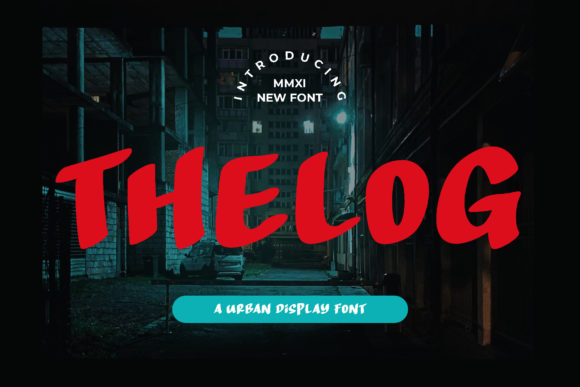
Before integrating any asset into a workflow, understanding its structural properties is essential. Thelog is categorized as a thick lettered, urban-styled display font. Its design language is characterized by heavy weight, geometric precision, and a modern edge that commands attention. Unlike serif fonts that rely on tradition or light sans-serifs that prioritize minimalism, Thelog operates in the space of bold statement-making. The thickness of the letters provides immediate visual weight, making it ideal for headlines, logos, and large-format displays where legibility at a distance is critical.
The "urban" aspect of its style suggests a connection to street culture, contemporary fashion, and dynamic energy. This makes it particularly suitable for brands that want to project confidence, youthfulness, or industrial strength. When evaluating Thelog for a project, consider its ability to anchor a composition. In a busy layout filled with imagery and multiple text elements, Thelog can serve as the visual anchor, preventing the design from feeling scattered. Its robust nature ensures that it does not get lost in background noise, a common issue when using lighter weights in cluttered environments.
Strategic Placement in Brand Identity Projects
For small business owners and branding agencies, the integration of Thelog often begins during the logo design phase. Because it is a display font, it is best utilized as a primary logotype rather than body text. The heavy strokes allow for intricate negative space manipulation, which can be leveraged to create custom ligatures or unique character modifications. This customization is a key step in ensuring brand uniqueness, as raw font files are widely accessible.
- Logo Construction: Use Thelog for the main brand name. Its bold presence reduces the need for additional graphical embellishments, leading to cleaner, more scalable logos.
- Brand Guidelines: Define clear rules for Thelog’s usage. Specify minimum sizes, color contrasts, and spacing requirements to maintain consistency across all touchpoints.
- Color Pairing: Due to its visual density, pair Thelog with ample white space or contrasting solid colors. Avoid complex gradients behind the text, as they can compete with the font’s inherent weight.
When implementing Thelog in a brand identity system, consistency is paramount. Create a style guide that demonstrates correct kerning and tracking. Display fonts often require tighter tracking than standard text fonts to maintain their block-like integrity. By establishing these parameters early, you prevent inconsistencies that can dilute brand recognition over time.
Application in Apparel and Sportswear Design
The apparel industry, particularly sportswear and streetwear, relies heavily on typography to communicate lifestyle and attitude. Thelog’s urban styling makes it a natural fit for t-shirt graphics, hoodie prints, and athletic branding. However, the transition from screen to fabric introduces specific technical considerations that must be addressed during the preparation phase.
When designing for clothing, the resolution and vector nature of the file are crucial. Thelog should always be exported as a high-resolution vector (such as EPS or SVG) to ensure clean edges during printing or embroidery processes. Screen-based previews can be misleading regarding how thick lines will render on textured fabrics like cotton or polyester blends.
- Vector Preparation: Convert all text to outlines before sending files to printers. This prevents font substitution errors and allows for precise control over the shape of each letter.
- Screen Printing Considerations: If using screen printing, be mindful of ink spread. Very thin details within the thick letters may fill in if the mesh count is too low. Test print on scrap material to verify detail retention.
- Embroidery Limitations: For embroidered garments, extremely fine serifs or sharp angles might not stitch cleanly. Simplify the design slightly if the letterforms have delicate internal cuts, or opt for a patch application instead.
Integrating Thelog into apparel collections also involves considering placement strategy. Due to its boldness, it works well as a central chest print, a full-back graphic, or even as a sleeve accent. Experiment with scale; sometimes reducing the size of Thelog can create a subtle, sophisticated look, while enlarging it creates a dominant, aggressive statement. Understanding this scalability allows designers to offer versatile options to clients.
Enhancing Digital Advertising and Social Media Assets
In digital marketing, attention spans are short. Ads on social media platforms, banners, and email headers must convey their message instantly. Thelog excels in this environment due to its high legibility and strong visual hierarchy. When used in advertisements, it helps cut through the visual clutter of feeds where users scroll rapidly.
For marketers and content creators, using Thelog in ad creatives can improve click-through rates by clearly highlighting the core value proposition. Whether announcing a sale, launching a new product, or promoting an event, the font’s urgency aligns well with call-to-action messages. However, balance is key. Overusing bold fonts can lead to visual fatigue. A practical workflow involves using Thelog for the headline or key statistic, while relying on a neutral, readable sans-serif for supporting details.
Furthermore, Thelog can be animated for video content. Its thick strokes hold up well against motion blur and rapid transitions, making it effective for kinetic typography videos. When integrating Thelog into video workflows, ensure that the export settings preserve the alpha channel if transparency is required, allowing the text to overlay seamlessly on various backgrounds without harsh borders.
Workflow Integration and Technical Compatibility
Seamless integration into existing software ecosystems is a critical factor for productivity. Thelog is compatible with major design platforms such as Adobe Creative Cloud, Affinity Suite, and CorelDRAW. Before purchasing or downloading the font, verify that it includes all necessary weights and styles required for your project scope. A comprehensive family allows for greater flexibility in creating visual contrast within a single piece of work.
Organization is another vital component of efficient workflow. Store Thelog in a dedicated, backed-up font library. Label files clearly with version numbers and licensing information to avoid legal issues later. When collaborating with team members or freelancers, share the font file directly alongside the project assets. Relying on system-installed fonts can lead to missing glyph errors when files are opened on different machines.
Quality Control and Final Output
Before finalizing any project featuring Thelog, conduct a rigorous quality control check. Zoom in to 400% to inspect the corners and intersections of the letters for any rendering artifacts. Check for consistent stroke widths across different characters. Ensure that the chosen color palette maintains sufficient contrast ratios for accessibility standards, especially if the design includes smaller secondary text near the bold headings.
Ultimately, Thelog is more than just a decorative element; it is a functional tool that shapes the tone and effectiveness of visual communication. By approaching its use with a focus on preparation, technical precision, and strategic placement, professionals can leverage its urban, bold character to create designs that are not only visually striking but also commercially effective. Whether you are designing a logo for a startup, a graphic for a limited-edition sneaker drop, or a banner for a digital campaign, integrating Thelog thoughtfully into your process ensures that your message stands out with clarity and confidence.