Spicype: Integrating a Bold Display Font into High-Impact Design Workflows
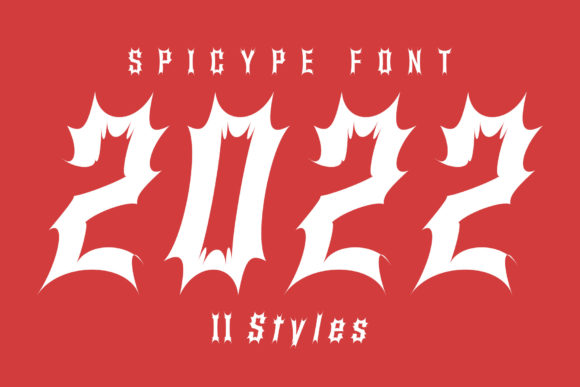
In the landscape of visual communication, typography is rarely just about readability; it is often about identity. For designers, brand managers, and content creators working in competitive sectors like fashion, sports, and digital marketing, the choice of typeface can dictate the entire tone of a project. Spicype emerges as a distinct tool in this arena—a cool, bold, and uniquely designed display font that demands attention. Unlike versatile body fonts optimized for long-form reading, Spicype is engineered for impact. It serves as a strategic asset for t-shirt graphics, sportswear branding, logo design, advertisements, and broader clothing lines.
Understanding how to integrate Spicype into your workflow requires shifting perspective from simple text entry to strategic visual hierarchy. This article explores the practical application of Spicype, focusing on how it fits into the planning, execution, and quality control phases of creative projects. By examining its compatibility with various design systems and its role in establishing brand consistency, we can uncover how to leverage this font for maximum efficiency and aesthetic result.
Defining the Role of Spicype in Visual Strategy
Before diving into technical implementation, it is crucial to define where Spicype sits within a broader design ecosystem. Display fonts are characterized by their decorative nature and high legibility at large sizes. Spicype’s "cool" and "bold" attributes suggest a personality that is modern, assertive, and perhaps slightly edgy. This makes it unsuitable for paragraphs of text but ideal for headlines, logos, and graphical elements where the letterforms themselves become part of the image.
For professionals such as freelance graphic designers or small business owners launching a new apparel line, Spicype offers a shortcut to establishing a strong visual voice. Instead of spending weeks customizing a generic sans-serif or serif font, Spicype provides a pre-packaged aesthetic that aligns with contemporary trends in streetwear and athletic branding. The key to using it effectively is recognizing its limitations: it is a statement maker, not a narrator. Its primary function is to grab attention instantly, making it a critical component in the initial stages of brand recognition and advertising campaigns.
Compatibility with Brand Identity Systems
One of the most common challenges in design workflows is maintaining consistency across different media. A logo might look great on a website header but fail to translate when embroidered on a baseball cap. Spicype’s bold structure aids in this transition. Because the letters are thick and distinct, they retain their integrity even when scaled down or applied to textured surfaces like fabric.
When integrating Spicype into a brand identity system, consider the following factors:
- Contrast Management: Since Spicype is bold, it requires ample negative space. In your layout planning, ensure that surrounding elements do not compete with the weight of the font. Use lighter weights in other parts of your design palette to create balance.
- Color Pairing: The "cool" aspect of Spicype suggests it pairs well with monochromatic schemes, neon accents, or muted earth tones. Avoid overly warm or chaotic color combinations that might clash with the font’s inherent attitude.
- Scalability Testing: Before finalizing any design, test Spicype at various sizes. Check how it renders in vector formats (like SVG or AI) versus raster formats (like PNG or JPG). This is particularly important for digital advertisements where compression artifacts can distort unique letterforms.
Practical Implementation in Specific Use Cases
The versatility of Spicype lies in its application across diverse mediums. Let’s examine how this font interacts with specific project types, offering insights into preparation and execution.
T-Shirt and Sportswear Graphics
In the apparel industry, typography is often the central design element. Spicype’s robust form factor makes it exceptionally suitable for screen printing and heat transfer applications. When preparing files for production, the workflow involves several steps to ensure the font translates accurately from screen to garment.
First, convert all text to outlines or paths in your vector software. This ensures that the unique curves and angles of Spicype are preserved regardless of the printer’s installed fonts. Second, consider the stroke width. If the font is being used for intricate designs, ensure that the strokes are thick enough to withstand the mesh count of the screen printing process. Thin details may break or fill in during printing, ruining the "cool" aesthetic.
For sportswear, the dynamic nature of Spicype complements the movement associated with athletic brands. Use it for team names, jersey numbers, or motivational slogans. The boldness conveys strength and energy, aligning with the psychological expectations of consumers in this sector.
Logo Design and Branding
Creating a logo with a display font like Spicype requires careful consideration of scalability and memorability. A logo must work in black and white, in single colors, and at very small sizes (such as favicon size).
To implement Spicype effectively in logo design:
- Simplify the Composition: Limit the use of Spicype to one or two words. Complex phrases will lose their impact and become visually cluttered.
- Customize Where Necessary: While Spicype is unique, adding a custom ligature or modifying a single character can make a logo truly distinctive. This adds value to the intellectual property and sets the brand apart from competitors using the same base font.
- Test for Legibility: Ensure that the unique design elements of Spicype do not compromise readability. A logo that is too stylized to be recognized quickly fails its primary purpose.
Advertisements and Digital Marketing
In the fast-paced environment of digital advertising, users scroll quickly through feeds. Spicype acts as a visual anchor, stopping the scroll. When designing social media ads, banners, or email headers, use Spicype for the main headline. The goal is to communicate the core message in under three seconds.
Integrate Spicype with clear calls-to-action (CTAs). While Spicype handles the emotional appeal, pair it with a clean, neutral sans-serif for the CTA button text. This creates a hierarchy where the eye is drawn first to the bold headline (Spicype) and then guided to the action (neutral font). This separation of roles enhances conversion rates by reducing cognitive load for the viewer.
Workflow Integration and Quality Control
Using Spicype smoothly within a professional workflow involves more than just selecting the font in software. It requires adherence to best practices in file management, collaboration, and version control.
File Organization and Asset Management
For teams working on large campaigns involving multiple assets (t-shirts, posters, web banners), organizing typography assets is essential. Create a dedicated folder structure for "Fonts" and "Brand Assets." Within this, include the Spicype font files (.ttf or .otf) along with a usage guide that specifies approved colors, minimum sizes, and clear space requirements.
This preparation step prevents errors during the execution phase. When handing off files to developers or printers, providing the correct font files eliminates the risk of substitution errors, which can drastically alter the intended "cool" and bold aesthetic.
Cross-Platform Consistency
Designers often work across multiple platforms—Adobe Illustrator for vectors, Photoshop for composites, and Figma for UI/UX. Ensure that Spicype is installed and synchronized across all these environments. In collaborative tools like Figma, use libraries to store the Spicype style components. This allows team members to drag and drop consistent text styles, ensuring that every advertisement, t-shirt mockup, and logo variation maintains the same visual weight and spacing.
Long-Term Usability and Updates
Typography trends evolve, but a well-chosen display font like Spicype can have a long shelf life if used correctly. However, monitor its performance over time. Is it still resonating with your target audience? Are there emerging fonts that offer similar boldness with better accessibility features?
Regularly audit your brand assets. If you find that Spicype is being overused or misapplied, refine your guidelines. Perhaps restrict its use to primary headlines only, allowing secondary information to be handled by more subdued typefaces. This disciplined approach ensures that Spicype retains its power as a focal point rather than becoming background noise.
Conclusion on Strategic Application
Spicype is not merely a font; it is a strategic decision in visual communication. Its cool, bold, and unique design makes it an invaluable tool for creators looking to make a strong impression in crowded markets. By understanding its strengths—impact, clarity at scale, and versatility across print and digital media—professionals can integrate it seamlessly into their workflows.
Success with Spicype comes from respecting its nature as a display font. Plan layouts with ample space, prepare files meticulously for production, and maintain strict consistency across all touchpoints. Whether you are designing a sportswear line, crafting a logo for a startup, or creating an advertisement campaign, Spicype provides the visual punch needed to capture attention. When combined with thoughtful planning and rigorous quality control, it becomes a cornerstone of effective, high-impact design.