Rock Metal: A Bold Display Font for High-Impact Design
In the landscape of digital and print typography, certain typefaces serve as functional tools for readability, while others act as visual anchors that demand attention. Rock Metal falls squarely into the latter category. It is a bold, thick-lettered display font designed to create immediate visual weight and structural presence. For designers, marketers, and content creators working in competitive niches, selecting the right typeface is not merely an aesthetic choice but a strategic decision regarding communication efficiency.
This evaluation examines Rock Metal’s characteristics, practical applications, and limitations. The goal is to determine whether this chunky lettered font aligns with specific project requirements, brand identities, and audience expectations. By analyzing its performance across various media, we can assess its utility for professionals ranging from freelance graphic designers to small business owners managing their own marketing materials.
Defining Characteristics and Visual Impact
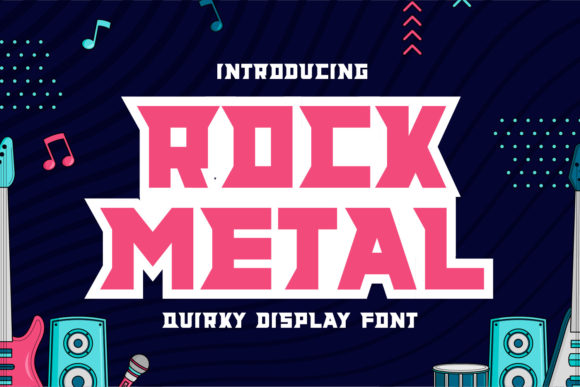
The primary attribute of Rock Metal is its substantial stroke width. Unlike condensed or lightweight sans-serifs that prioritize space efficiency, Rock Metal is engineered for dominance. The letters are thick, robust, and heavily weighted, giving them a physical sense of mass on the page or screen. This design philosophy ensures that text set in this font cannot be ignored. It commands the viewer’s eye through sheer visual volume rather than intricate detail or decorative flair.
The term "chunky" accurately describes the typographic behavior of Rock Metal. Each character occupies significant negative space, creating strong contrast between the letterforms and the background. This high-contrast nature makes it exceptionally effective for headlines, logos, and short bursts of text where legibility at large sizes is paramount. However, this same characteristic dictates how the font must be used in body copy or dense layouts, where its thickness could lead to visual clutter if not managed carefully.
Furthermore, the font exhibits a modern, industrial aesthetic. The clean lines and uniform thickness suggest stability, strength, and reliability. These psychological associations make Rock Metal particularly suitable for industries that wish to convey durability or authority, such as construction, automotive, fitness, and technology sectors. When added to designs, it does not merely fill space; it alters the tonal quality of the entire composition, injecting energy and urgency.
Practical Applications and Use Cases
Understanding where Rock Metal performs best requires looking at real-world scenarios. Its strength lies in display contexts rather than informational density. Below are specific areas where this font adds tangible value:
- Brand Identity and Logos: For businesses seeking a memorable, assertive logo, Rock Metal provides a solid foundation. Its boldness ensures recognition even at small scales, such as on social media avatars or app icons. The distinct shape aids in trademarkability and brand recall.
- Event Posters and Flyers: In crowded environments like concert posters or festival flyers, visibility is critical. Rock Metal cuts through visual noise. Large headlines set in this font ensure that key information (dates, venue, artist names) is absorbed instantly by passersby.
- Digital Advertising: Banner ads and social media graphics often have limited view times. A headline using Rock Metal can communicate the core message within seconds. Its thick strokes render well on low-resolution screens, maintaining clarity where finer fonts might pixelate or blur.
- Packaging Design: Product packaging competes for shelf space. Whether for food, beverages, or consumer electronics, Rock Metal helps products stand out. The font’s robustness suggests premium quality or intense flavor profiles, depending on the accompanying imagery and color palette.
- Editorial Headers: Bloggers and publishers can use Rock Metal for section headers or pull quotes. It breaks up long-form content effectively, guiding the reader’s eye and adding visual rhythm to articles without disrupting the flow of standard body text.
Quality, Usability, and Technical Considerations
From a technical standpoint, Rock Metal offers a straightforward user experience. As a display font, it typically comes with a limited character set optimized for English-language use. Designers should verify the inclusion of necessary punctuation marks, numbers, and special symbols before integrating it into complex projects. While most modern font files include these essentials, professional workflows require precision.
Kerning and tracking present unique considerations with Rock Metal. Because the letters are so thick, tight spacing can cause characters to collide, resulting in a muddy appearance that reduces legibility. Conversely, excessive spacing may dilute the font’s intended impact, making it look disjointed. Professional designers often need to manually adjust kerning pairs to achieve optimal balance, especially when dealing with specific letter combinations that naturally create awkward gaps or overlaps.
Contrast management is another crucial factor. Rock Metal performs best against simple, uncluttered backgrounds. Using it over busy images or textured patterns can obscure the letterforms, defeating the purpose of its bold design. Solid colors or subtle gradients provide the necessary contrast to let the font shine. Additionally, pairing Rock Metal with lighter, more delicate typefaces for secondary information creates a harmonious hierarchy. The stark difference in weight draws attention to the headline while allowing supporting text to remain readable.
Audience Fit and Strategic Alignment
Not every project benefits from the aggressive presence of Rock Metal. Its suitability depends heavily on the target audience and the desired brand voice. Here is a breakdown of who may find this font most useful:
- Entrepreneurs and Startups: New brands often struggle to establish trust and visibility. Rock Metal helps overcome this hurdle by projecting confidence and professionalism. It signals that the business is established and serious, which can reassure potential customers.
- Freelancers and Creative Agencies: Professionals pitching to clients in competitive markets can use Rock Metal to demonstrate bold thinking. It serves as a tool for creating standout portfolios and proposal covers that capture client interest immediately.
- Educators and Content Creators: Those producing educational materials or online courses may use Rock Metal to highlight key concepts or module titles. Its clarity aids comprehension by emphasizing important terms without requiring additional graphical elements.
- Sports and Fitness Brands: The association between heavy typography and physical strength makes Rock Metal a natural fit for gyms, athletic apparel, and sports teams. It reinforces themes of power, endurance, and performance.
Conversely, industries focused on elegance, subtlety, or traditional refinement may find Rock Metal too overpowering. Luxury fashion houses, fine dining establishments, or literary publications might prefer serif fonts or thinner sans-serifs that convey sophistication rather than brute force. Misalignment between font personality and brand identity can confuse audiences and dilute messaging.
Potential Limitations and Best Practices
While Rock Metal is a powerful tool, it is not a universal solution. Overuse is a common pitfall. Setting entire paragraphs in this font leads to reader fatigue and poor accessibility. Screen readers and assistive technologies may also encounter challenges if the font lacks proper encoding or semantic structure, although this is less common with standard web-safe formats.
Another limitation is scalability. While Rock Metal holds up well at large sizes, shrinking it too far can result in loss of definition. The thick strokes may merge together, creating illegible blobs. Designers should test the font at all intended output sizes to ensure consistent performance. For very small text, a lighter alternative or a different typeface altogether is advisable.
To maximize effectiveness, integrate Rock Metal strategically. Use it sparingly for maximum impact. Combine it with ample white space to allow the letters to breathe. Ensure color choices complement the font’s weight; dark colors on light backgrounds or vice versa work best. Avoid overly bright or neon backgrounds that compete with the font’s intensity.
Conclusion on Utility and Value
Rock Metal stands out as a specialized asset in the typographer’s toolkit. It is not designed for quiet conversation but for loud declaration. Its thick, chunky letterforms offer undeniable presence, making it ideal for projects that require immediate engagement and strong visual hierarchy. For professionals seeking to enhance brand recognition, drive attention to key messages, or create dynamic layouts, Rock Metal delivers reliable results.
However, its power demands respect. Successful implementation requires careful consideration of context, contrast, and pairing. When used appropriately, it elevates designs from ordinary to extraordinary. When misapplied, it can overwhelm and distract. By understanding its strengths and limitations, designers and marketers can harness Rock Metal’s potential to create compelling, effective communications that resonate with their audiences. Ultimately, the decision to use Rock Metal should be driven by the specific goals of the project and the needs of the target demographic, ensuring that every typographic choice serves a clear purpose.