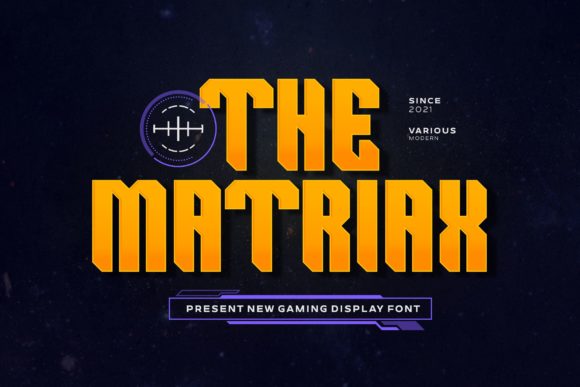
Evaluating The Matriax: A Practical Guide to Bold Display Typography
In the landscape of modern graphic design, selecting the right typeface is rarely just about legibility; it is an exercise in communication strategy. Designers and creative directors are constantly evaluating how a font’s visual weight, structure, and personality can amplify a message before a single word is read. Among the tools available for high-impact visual storytelling, The Matriax has emerged as a distinct option for projects requiring immediate attention. It is not merely a decorative element but a structural component that defines the hierarchy of information.
This evaluation explores the specific characteristics of The Matriax, analyzing its utility in print and digital media, comparing its approach to other bold display fonts, and identifying the scenarios where it offers the most value. For professionals weighing their typographic options, understanding the tradeoffs of using such an assertive typeface is crucial for maintaining brand integrity and visual balance.
Defining the Visual Identity of The Matriax
The Matriax is categorized as a display font, a classification reserved for typefaces designed to be used at large sizes rather than for extended body text. Its defining characteristic is its thickness. The letterforms are constructed with substantial weight, creating a solid, block-like appearance that commands space on the page. This "thick lettered" aesthetic is not accidental; it is engineered to provide a sense of stability, authority, and permanence.
What distinguishes The Matriax from generic bold sans-serifs is its assertive nature. The term "assertive" in typography refers to the font's ability to project confidence without shouting. The Matriax achieves this through precise geometric construction and consistent stroke widths. Unlike fonts that rely on erratic shapes or excessive ornamentation to grab attention, The Matriax relies on pure mass and form. This makes it particularly effective for headlines, titles, and short phrases where the goal is to establish a strong visual anchor.
The font’s aesthetic appeal lies in its clean lines and robust presence. When applied to posters, flyers, or branding materials, it creates an impression of reliability and strength. However, this very strength requires careful handling. Because the letters are so dominant, they leave little room for error in layout composition. Every pixel of white space around The Matriax becomes critical, as the font demands breathing room to prevent the design from feeling cluttered or overwhelming.
Comparative Analysis: Display Fonts and Visual Weight
When evaluating The Matriax, it is helpful to compare it against the broader category of heavy display fonts. In the market, there are numerous alternatives that serve similar functions, ranging from ultra-condensed grotesques to wide, slab-serif displays. Understanding these distinctions helps designers make informed decisions based on the specific needs of their project.
Weight vs. Width
Many modern display fonts achieve impact by condensing characters into narrow spaces, allowing for longer headlines within limited widths. The Matriax takes a different approach. It prioritizes width and thickness over compression. This means that while it may require more horizontal space per line, it often delivers greater visual clarity and readability at a distance. For designs where the headline must be read quickly—such as on a billboard or a large event poster—the expansive nature of The Matriax can be superior to tighter, more compressed alternatives.
Serif vs. Sans-Serif Assertiveness
Another point of comparison is the presence or absence of serifs. Serif-based bold fonts often convey tradition, elegance, or academic authority. In contrast, The Matriax, being a sans-serif, communicates modernity, directness, and industrial strength. If a brand identity leans toward heritage or classicism, a heavy serif might be a more appropriate choice. However, for tech, fitness, automotive, or contemporary lifestyle brands, the clean, unadorned look of The Matriax aligns better with those values.
Decorative vs. Functional Bold
Some display fonts incorporate unique quirks, irregular edges, or thematic decorations (e.g., grunge effects, retro curves). The Matriax avoids these distractions. Its value proposition is functional boldness. It is designed to be versatile within the realm of high-impact design. This neutrality allows it to blend seamlessly with various color palettes and imagery styles, whereas highly decorative fonts often dictate the entire mood of the piece, limiting pairing options.
Strategic Use Cases and Applications
The effectiveness of The Matriax is highly dependent on context. It is not a one-size-fits-all solution but a specialized tool for specific communication challenges. Below are key areas where this font demonstrates its strengths.
- Event Posters and Flyers: The primary function of promotional material is to stop the viewer in their tracks. The Matriax’s thick lettering ensures that the event name or main offer is visible from a distance. Its assertive tone matches the excitement and urgency of live events.
- Brand Logos and Wordmarks: For companies seeking to project stability and trust, a heavy display font can serve as a foundational logo element. The Matriax provides a solid base that can support smaller, lighter secondary text, creating a balanced typographic lockup.
- Digital Headers and Banners: On websites and social media graphics, attention spans are short. The Matriax cuts through visual noise effectively. When used for hero section headlines, it establishes a clear hierarchy, guiding the user’s eye immediately to the core message.
- Editorial Headlines: Magazines and online publications often use bold display fonts to punctuate articles. The Matriax adds a layer of seriousness and importance to the topic, signaling to the reader that the content is significant.
Evaluating Limitations and Tradeoffs
No typographic choice is without its drawbacks. Recognizing the limitations of The Matriax is essential for preventing design failures. The most significant constraint is its lack of subtlety. Because the font is inherently loud, it cannot easily coexist with other heavy visual elements. Using The Matriax alongside equally bold imagery or competing typefaces can result in visual chaos.
Furthermore, the font is unsuitable for long-form reading. Attempting to set body copy in The Matriax would lead to rapid eye fatigue due to the dense black ink required to render the thick strokes. Designers must strictly limit its use to short bursts of text. Additionally, kerning (the spacing between individual letters) requires meticulous adjustment. Due to the thickness of the characters, standard default spacing can cause letters to collide or appear disconnected, disrupting the flow of the word.
Decision Factors: When to Choose The Matriax
Choosing The Matriax should be driven by the specific goals of the design project. Consider the following decision framework when evaluating whether this font fits your needs.
- Is visibility the priority? If the design needs to be read from a distance or on small mobile screens, The Matriax’s high contrast and weight make it a strong candidate.
- Does the brand voice demand authority? If the message is about security, strength, or innovation, the assertive personality of the font reinforces the narrative.
- Is the layout minimal? The Matriax thrives in clean, spacious layouts. If the design is cluttered with many elements, this font may add too much visual weight.
- Are you looking for versatility? If you need a font that works across both print and digital mediums without losing impact, The Matriax offers a consistent performance.
Conversely, if the project requires a warm, friendly, or delicate tone, The Matriax may feel too harsh or aggressive. In such cases, exploring lighter weights, rounded sans-serifs, or elegant serifs would likely yield better results. Similarly, if the budget or timeline does not allow for detailed typographic refinement, the strict requirements of The Matriax might pose unnecessary challenges.
Conclusion for Designers
The Matriax represents a focused approach to display typography. It is not attempting to be everything to everyone; rather, it excels at being bold, clear, and assertive. For designers navigating the complex process of visual communication, it serves as a powerful tool for establishing hierarchy and capturing attention. By understanding its thick, geometric nature and respecting its limitations regarding spacing and context, creators can leverage The Matriax to produce designs that are not only visually stunning but also strategically effective. Whether used for a striking poster or a definitive brand statement, this font offers endless possibilities for those willing to work within its strong visual parameters.