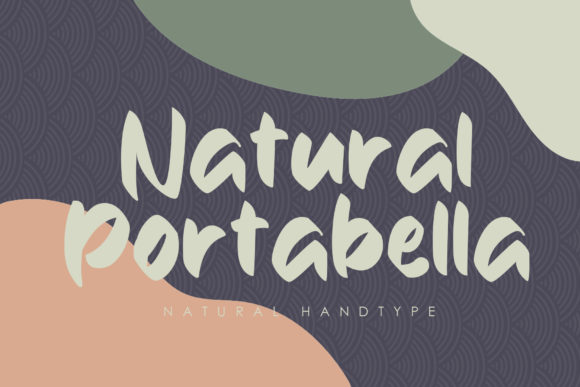
Natural Portabella Font Review
In the vast landscape of digital typography, selecting the right typeface is often a balancing act between aesthetics and functionality. For designers, hobbyists, and content creators seeking a specific visual tone, Natural Portabella has emerged as a notable option in the casual display category. This font is characterized by its friendly, approachable demeanor and its ability to convey warmth without sacrificing legibility. Whether you are working on a personal craft project, designing a digital presentation, or creating greeting cards, understanding the nuances of Natural Portabella can help determine if it aligns with your creative goals.
Understanding Natural Portabella
Natural Portabella is classified as a casual display font. Unlike serif or sans-serif fonts that prioritize neutrality and readability across long passages of text, display fonts are designed to grab attention and set a mood. Natural Portabella achieves this through its rounded forms and relaxed structure. The name itself suggests an organic, unpretentious quality, which is reflected in its design. It avoids sharp angles and rigid geometry, opting instead for curves that mimic natural handwriting or soft printed materials.
The font’s primary strength lies in its immediate friendliness. When used in headlines, titles, or short bursts of text, it creates an inviting atmosphere. It does not demand authority; rather, it welcomes the viewer. This makes it particularly suitable for contexts where a brand or individual wants to appear accessible, warm, and human-centric. However, because it is a display font, it is generally not intended for body copy. Its distinctive character shines best when used sparingly and strategically.
Why Designers Choose Natural Portabella
There are several practical reasons why Natural Portabella might be included in a designer’s toolkit. First, its versatility across different media is a significant advantage. While many fonts struggle to maintain their integrity when scaled down or printed on textured paper, Natural Portabella tends to hold its shape well in various applications.
- Craft and DIY Projects: For those involved in scrapbooking, card making, or label design, the font’s hand-drawn aesthetic adds a personal touch that feels authentic rather than manufactured.
- Digital Presentations: In slide decks, especially those aimed at education, wellness, or community building, Natural Portabella can soften the visual impact of slides, making information feel less corporate and more engaging.
- Greeting Cards and Invitations: The font’s inherent cheerfulness makes it an ideal choice for celebrations. It conveys excitement and warmth, which are essential elements in personal correspondence.
Furthermore, the font is easy to read even at smaller sizes within its designated use cases. This readability reduces cognitive load for the viewer, allowing them to focus on the message rather than deciphering the text. For users who are not professional typographers, Natural Portabella offers a "plug-and-play" solution that requires minimal adjustment to look polished.
Benefits and Tradeoffs
While Natural Portabella offers distinct advantages, it is important to weigh these against potential limitations. No single typeface is suitable for every design challenge. Understanding these tradeoffs helps prevent misuse and ensures better overall outcomes.
The Benefits
The most prominent benefit is the emotional resonance it provides. In a digital world dominated by sterile, minimalist designs, Natural Portabella offers a refreshing alternative that feels grounded and relatable. It helps brands and individuals stand out by injecting personality into their visual identity. Additionally, its casual nature makes it highly adaptable to informal contexts. It bridges the gap between formal typography and actual handwriting, offering a level of polish that raw script fonts often lack.
The Tradeoffs
The primary limitation of Natural Portabella is its limited range. As a display font, it lacks the extensive weight variations (such as light, bold, or condensed) found in comprehensive type families. This means designers cannot easily create hierarchy within a single piece of text using only this font. Furthermore, its casual style may clash with industries that require a sense of seriousness, precision, or luxury. Using Natural Portabella for a law firm’s website or a high-end financial report would likely undermine the desired professional image.
Another consideration is overuse. Because the font is so friendly, it can become visually fatiguing if applied too broadly. It works best as an accent rather than a primary text source. Overusing it in long paragraphs can make the text difficult to scan and reduce overall comprehension.
Situational Fit: When to Use and When to Avoid
To determine whether Natural Portabella is the right choice for your project, consider the context and audience. Here are some scenarios where it serves as a strong fit, and others where alternatives may be more appropriate.
Strong Fits
- Personal Brands: Bloggers, influencers, and small business owners in lifestyle, food, or arts sectors can use Natural Portabella to reinforce a personal, approachable brand voice.
- Educational Materials: Worksheets, children’s books, or training materials that aim to reduce anxiety and encourage engagement benefit from the font’s gentle appearance.
- Event Graphics: Posters, banners, and social media graphics for workshops, parties, or community events gain energy and clarity from the font’s clear, cheerful lines.
When to Consider Alternatives
If your project requires a tone of sophistication, urgency, or technical precision, Natural Portabella may not be the best tool. For example:
- Corporate Reports: A clean sans-serif like Helvetica or a traditional serif like Garamond would better convey reliability and professionalism.
- Technical Documentation: Monospaced fonts or highly legible sans-serifs are superior for code snippets or detailed specifications where accuracy is paramount.
- Luxury Branding: Elegant serifs or refined thin sans-serifs often communicate exclusivity and high value more effectively than a casual display font.
Practical Decision-Making Insights
Before finalizing your design choices, ask yourself a few key questions about your project’s objectives. Do you want your audience to feel relaxed and welcomed? If yes, Natural Portabella is a strong candidate. Are you trying to establish authority or trust in a high-stakes environment? You might need a more neutral typeface.
It is also worth considering how the font will interact with other design elements. Natural Portabella pairs well with simple, uncluttered layouts that allow the letterforms to breathe. Busy backgrounds or complex imagery can compete with the font’s unique shapes, leading to a cluttered visual experience. Testing the font in black and white before adding color can help ensure that the form itself is effective.
Additionally, check the licensing terms if you plan to use Natural Portabella commercially. Some fonts have restrictions on distribution or commercial usage that could impact your project scope. Ensuring you have the proper rights prevents legal issues later on.
Conclusion
Natural Portabella is a versatile, friendly display font that excels in creating warm, inviting visual communications. Its strength lies in its ability to humanize content and add a touch of casual elegance to projects ranging from greeting cards to digital presentations. However, its effectiveness depends heavily on context. It is not a one-size-fits-all solution but rather a specialized tool for specific emotional tones.
For designers and creators looking to infuse their work with approachability and charm, Natural Portabella is a valuable asset. By carefully evaluating the needs of your project against the font’s characteristics, you can make an informed decision that enhances both the aesthetic appeal and the communicative power of your design. Whether it becomes your go-to font will depend on how frequently you find yourself needing to say "hello" in a visually pleasing way.