Unlocking Joy in Design: Why Big Jelly Is the Ultimate Display Font for Playful Creativity
In a digital landscape saturated with minimalist sans-serifs and rigid geometric typefaces, there is a distinct hunger for personality. We live in an era where attention spans are fleeting, and visual impact must be immediate. This is where Big Jelly steps in, not just as a font, but as a statement. It is a chunky, lettered display font that exudes coolness, bounce, and an undeniable sense of fun. Whether you are a graphic designer crafting a brand identity or a hobbyist designing a birthday invitation, understanding the unique utility of Big Jelly can transform your projects from ordinary to unforgettable.
The Anatomy of Fun: Understanding Big Jelly’s Visual Identity
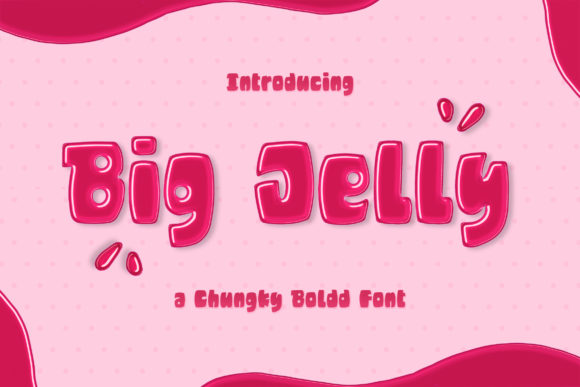
To appreciate Big Jelly, one must first look at its form. The name itself suggests volume and texture—think of something soft yet substantial, like a marshmallow or a gelatinous dessert. Visually, this translates into letters that are bold, rounded, and slightly irregular in their charm. Unlike standard block fonts that feel industrial or corporate, Big Jelly feels handcrafted. It has weight, yes, but it lacks the stiffness often associated with heavy display typefaces.
This "chunky" characteristic is its superpower. In typography, weight commands attention. When used correctly, Big Jelly acts as a visual anchor. It doesn’t whisper; it shouts with a smile. The cool factor comes from its slight imperfections and the way the letters seem to wiggle off the page. It avoids the sterile perfection of vector-based fonts, opting instead for a vibe that feels approachable and human. This makes it exceptionally versatile across various mediums, from high-resolution web headers to printed merchandise.
Why Chunky Fonts Matter in Modern Design
You might wonder why designers are increasingly gravitating toward chunky, playful typefaces. The answer lies in user experience and emotional connection. Modern users are bombarded with information. Clean, readable text is essential for body copy, but for headlines, titles, and key messaging, we need something that cuts through the noise. A font like Big Jelly provides that cut-through without sacrificing legibility.
Furthermore, the psychology of shape plays a significant role. Rounded, thick shapes are subconsciously perceived as friendly, safe, and inviting. Sharp angles can signal danger or urgency, while soft, bulky forms signal comfort. By choosing Big Jelly, you are subtly telling your audience, "You are welcome here." This is particularly effective for brands targeting families, children, or anyone looking to inject a bit of levity into their communication.
Versatility in Action: Where Big Jelly Shines
One of the most common misconceptions about display fonts is that they are niche tools with limited application. Big Jelly disproves this notion by proving its adaptability across a wide spectrum of creative industries. Let’s explore some practical scenarios where this font becomes an indispensable asset.
- Cartoon-Related Designs: If you are illustrating comics, animations, or character designs, the typography needs to match the energy of the visuals. Big Jelly’s bouncy nature complements cartoon aesthetics perfectly. It looks native in speech bubbles, title cards, and comic book covers, enhancing the narrative without overpowering the art.
- Children’s Games and Apps: In the world of edutainment, clarity and joy go hand in hand. For mobile games, educational apps, or board game boxes, Big Jelly offers high readability even at smaller sizes due to its open counters (the spaces inside letters like 'o' or 'e'). Its playful demeanor keeps young users engaged and excited.
- Social Media Quotes and Memes: Content creators know that text overlays can make or break a post. Using Big Jelly for inspirational quotes, funny memes, or promotional graphics adds an instant layer of professionalism mixed with relatability. It stands out in a feed full of plain white text on colored backgrounds.
- Brand Names and Logos: For startups aiming for a youthful, energetic brand identity, Big Jelly can serve as the core of a logo. Imagine a juice bar, a toy store, or a creative agency using this font. It communicates innovation and fun immediately. However, care should be taken to ensure the brand message aligns with the font’s casual tone.
- Book Covers and Posters: For fiction books, particularly those in the YA (Young Adult) or Children’s genres, or for event posters that want to convey excitement, Big Jelly provides the necessary visual punch. It draws the eye and promises an entertaining experience.
Practical Considerations for Implementation
While Big Jelly is a fantastic tool, like any design element, it requires strategic placement to be effective. Here are some practical tips for integrating this font into your workflow.
Balancing Boldness with Readability
The primary risk with any chunky font is overuse. Because Big Jelly is so visually dominant, using it for long paragraphs of text will overwhelm the reader. It is strictly a display font. Use it for headlines, titles, pull quotes, and short phrases. Pair it with a simpler, more neutral sans-serif or serif font for body text. This contrast creates a hierarchy that guides the eye and ensures your content remains accessible.
Color and Contrast
The "cool" aspect of Big Jelly is amplified by thoughtful color choices. While it works well in black, experimenting with vibrant colors can enhance its playful nature. Think bright yellows, electric blues, or soft pastels depending on the context. Ensure sufficient contrast between the text and the background. Since the letters are thick, they can sometimes blend into busy backgrounds. Solid, clean backgrounds often allow the font’s shape to shine the brightest.
Kerning and Tracking
Chunky fonts have specific spacing requirements. Tight kerning (spacing between individual letters) can cause the letters to merge into an illegible blob. Conversely, too much tracking (letter-spacing) can make the word lose its cohesive, bouncy character. Experiment with slight adjustments to find the sweet spot. Often, a tiny bit of extra space helps the "jelly" effect breathe, making each letter distinct yet connected.
Building Emotional Connections Through Typography
Beyond the technical aspects, the true value of Big Jelly lies in its ability to evoke emotion. Design is not just about conveying information; it is about creating a feeling. When a user sees Big Jelly, they expect something light-hearted, engaging, and perhaps a little whimsical. This sets expectations before they even read the words.
Consider the difference between a serious financial report and a fun summer camp flyer. The former demands gravity and stability; the latter demands energy and joy. Big Jelly fits squarely into the latter category. It helps brands build emotional connections by signaling that they do not take themselves too seriously. In a market where consumers crave authenticity and personality, this approachable aesthetic can be a significant differentiator.
Final Thoughts on Creative Freedom
Ultimately, typography is a powerful tool for storytelling. Big Jelly offers a unique voice in that story—a voice that is loud, clear, and undeniably cheerful. Whether you are designing a brand new identity, revamping a website header, or simply adding flair to a personal project, this font provides the perfect touch of joy. It reminds us that design doesn’t always have to be serious to be effective. Sometimes, being cool means being fun.
As you explore your next creative endeavor, consider letting Big Jelly lead the way. Let its chunky letters bounce across your canvas and bring a sense of playfulness to your work. In a world that can often feel heavy and complex, there is immense power in keeping things light, joyful, and visually engaging. With Big Jelly, you aren’t just choosing a font; you are choosing a mood, a style, and a way to connect with your audience on a deeper, happier level.