Prospec Font Evaluation: Design, Utility, and Application
In the landscape of digital typography, selecting the right typeface is a critical decision that influences readability, brand perception, and user experience. Among the growing array of modern display fonts, Prospec has emerged as a distinct option for designers seeking a blend of elegance and futurism. This evaluation explores the characteristics of Prospec, its ideal use cases, and the practical considerations necessary to determine if it aligns with your specific design goals.
Understanding Prospec: A Modern Display Typeface
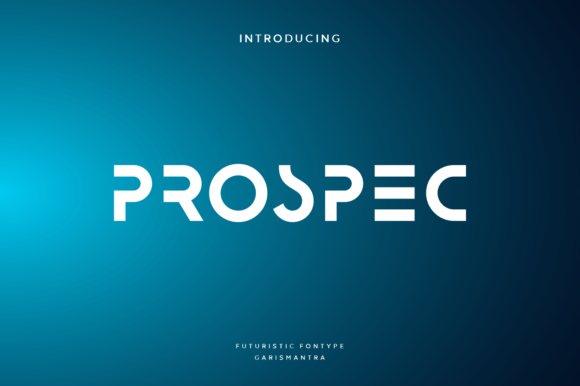
Prospec is categorized as a display font, which means it is designed primarily for large sizes rather than body text. Its aesthetic is defined by a modern, elegant, and futuristic visual language. The letterforms often feature clean lines, geometric precision, and subtle stylistic flourishes that convey a sense of forward-thinking innovation. Unlike traditional serif or sans-serif fonts that prioritize neutrality, Prospec carries a strong personality, making it suitable for contexts where visual impact is paramount.
The term "futuristic" in typography often refers to high-contrast strokes, sharp angles, or minimalist structures that suggest technology and progress. Prospec embodies these traits without becoming overly technical or cold. Instead, it maintains an air of sophistication, bridging the gap between contemporary minimalism and avant-garde expression. This balance makes it versatile enough for various creative industries, from tech startups to luxury branding.
Key Characteristics and Visual Appeal
When evaluating Prospec, several key attributes stand out:
- Geometric Precision: The construction of the letters relies on clear geometric principles, offering a structured and organized appearance that appeals to modern design sensibilities.
- Elegant Weight Distribution: Prospec typically features well-balanced weights that ensure legibility at larger scales while maintaining a refined look. Thin weights can provide a delicate, high-end feel, while bold variants command attention.
- Futuristic Styling: Subtle details in the terminals and curves contribute to a sleek, contemporary vibe. These elements help the font stand out in crowded visual environments without sacrificing clarity.
- Versatility in Tone: While futuristic, the font does not alienate audiences with aggressive styling. It remains approachable, allowing it to be used in marketing materials that aim to appear both innovative and trustworthy.
Ideal Use Cases for Prospec
Determining where Prospec fits best requires understanding the hierarchy of typographic application. As a display font, it excels in scenarios where text serves as a visual element rather than just a carrier of information.
Web Design and Digital Interfaces
In web design, Prospec can be effectively utilized for headlines, hero sections, and navigation labels. Its futuristic aesthetic aligns well with websites in the technology, architecture, fashion, and entertainment sectors. When paired with ample white space and minimalistic layouts, Prospec can create a striking focal point that guides the user’s eye immediately.
However, due to its display nature, it should not be used for long-form content. Body text requires higher x-heights and more neutral forms to reduce cognitive load during reading. Using Prospec for paragraphs would likely result in fatigue and reduced comprehension.
Business Cards and Print Collateral
Business cards are an extension of personal or corporate identity. Prospec’s elegant and unique touch makes it an excellent choice for names, titles, and logos on printed materials. The font’s ability to convey professionalism and modernity helps establish credibility. For business cards, consider using Prospec for the name and logo, paired with a highly readable sans-serif for contact details to ensure functionality.
Similarly, posters, brochures, and packaging benefit from Prospec’s ability to grab attention. In competitive retail environments, a distinctive typeface can differentiate a product from competitors. The futuristic edge suggests innovation, which is particularly effective for tech gadgets, beauty products, or creative services.
Branding and Logo Design
For brands looking to project a image of cutting-edge development and refined taste, Prospec offers a strong foundation. Logos built with Prospec can communicate stability through geometry and progress through style. However, scalability must be considered; complex display fonts may lose detail when scaled down to favicon sizes or embroidered on small garments.
Benefits and Tradeoffs
Every typeface selection involves tradeoffs. Understanding these helps in making an informed decision.
Benefits
- Distinctive Identity: Prospec is not a generic system font. It provides immediate visual distinction, helping brands avoid the homogeneity common in web design.
- Emotional Resonance: The combination of elegance and futurism evokes feelings of trust, innovation, and premium quality. This emotional connection can enhance brand loyalty.
- Adaptability Across Media: Whether on screen or paper, Prospec maintains its integrity, provided it is used at appropriate sizes.
Tradeoffs and Considerations
- Limited Versatility: As a display font, Prospec is not suitable for body copy. Designers must pair it with a complementary reading font, which adds complexity to the design system.
- Audience Perception: The futuristic style may not resonate with all demographics. Brands targeting older audiences or those in traditional industries (like law or finance) might find Prospec too informal or trendy.
- Legibility at Small Sizes: Fine details in futuristic fonts can blur or disappear on low-resolution screens or in print. Testing at various sizes is essential before finalizing the choice.
Alternatives and Comparative Context
While Prospec is a strong candidate for many projects, it is part of a broader ecosystem of modern display fonts. Depending on specific needs, other options might be more appropriate.
If the goal is maximum neutrality and readability across all devices, a geometric sans-serif like Montserrat or Inter might be preferable. These fonts lack the specific "futuristic" flair of Prospec but offer superior versatility and accessibility.
For a more luxurious and classic feel, serif display fonts such as Bodoni or Playfair Display could serve as alternatives. These fonts evoke heritage and tradition rather than innovation and future-forward thinking.
Designers should compare Prospec against similar modern sans-serifs to assess weight availability, kerning quality, and licensing terms. The decision often comes down to the specific message the brand wants to convey: Is it about speed and technology (Prospec), or is it about stability and history?
Practical Decision-Making Insights
To determine if Prospec is the right choice for your project, consider the following questions:
- What is the primary function of the text? If it is for headlines, logos, or short impactful statements, Prospec is a strong contender. If it is for articles or instructions, choose a different typeface.
- Who is the target audience? Does the demographic value modernity and innovation? If yes, Prospec’s aesthetic aligns well. If the audience prefers tradition, reconsider.
- What is the brand voice? Does the brand sound like a tech innovator or a luxury provider? Prospec supports voices that are sleek, confident, and contemporary.
- How will the font be implemented? Ensure that the web version loads efficiently and that the print version reproduces the fine details accurately. Test contrast ratios to ensure accessibility compliance.
Conclusion
Prospec represents a compelling option for designers seeking a typeface that merges elegance with futuristic aesthetics. Its strength lies in its ability to create memorable visual hierarchies in display contexts such as web headers, business cards, and branding materials. However, its limitations as a body text font and its specific stylistic tone require careful consideration.
By evaluating Prospec against project requirements, audience expectations, and alternative options, designers can make informed decisions that enhance both the visual appeal and functional effectiveness of their work. When used appropriately, Prospec can add a unique touch that elevates a design from ordinary to exceptional.